

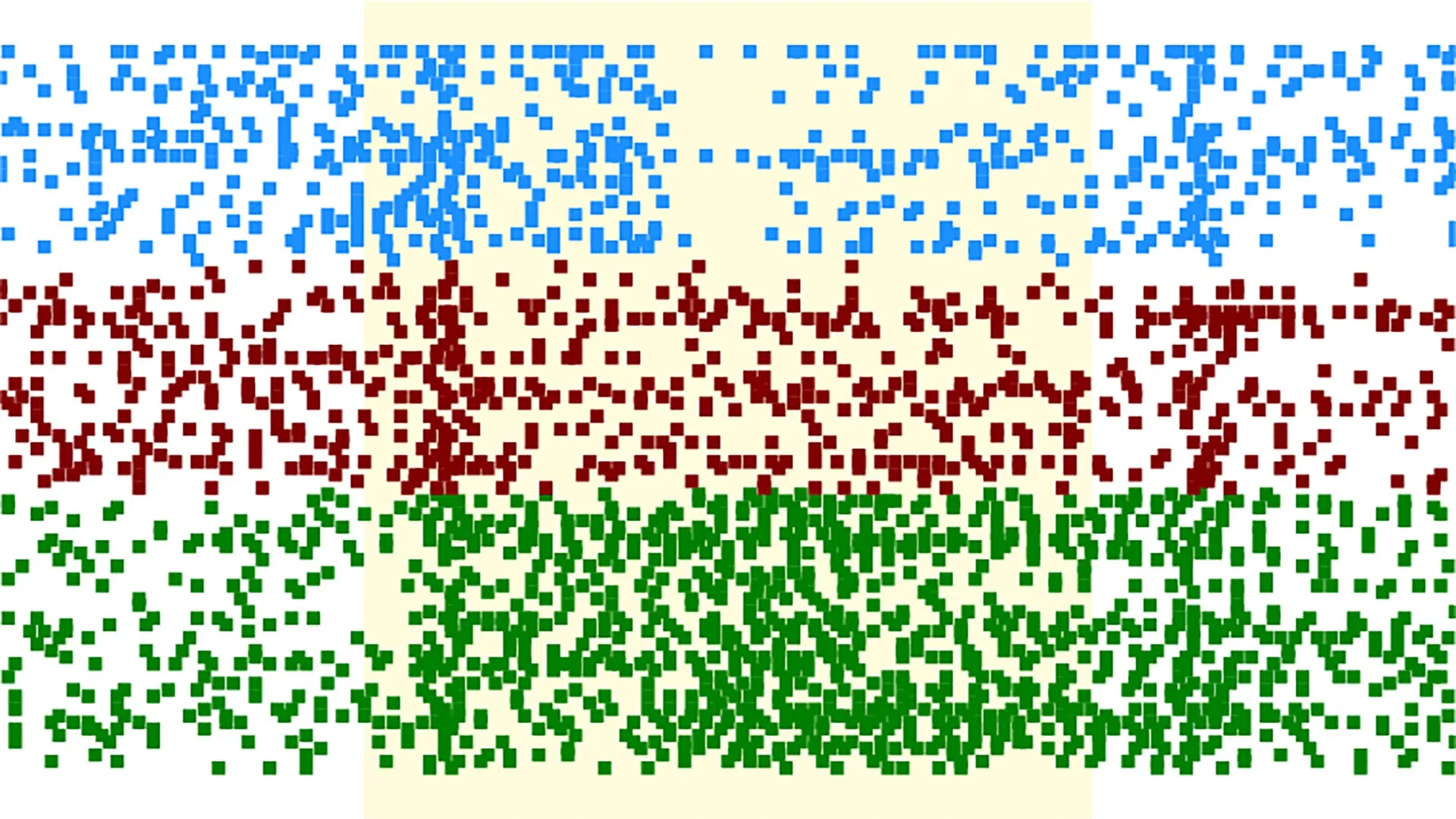

When what you see doesn’t make sense, your brain does something remarkable
Sometimes what we see does not immediately make sense. A shadow can briefly resemble a face, or one object can momentarily be mistaken ...
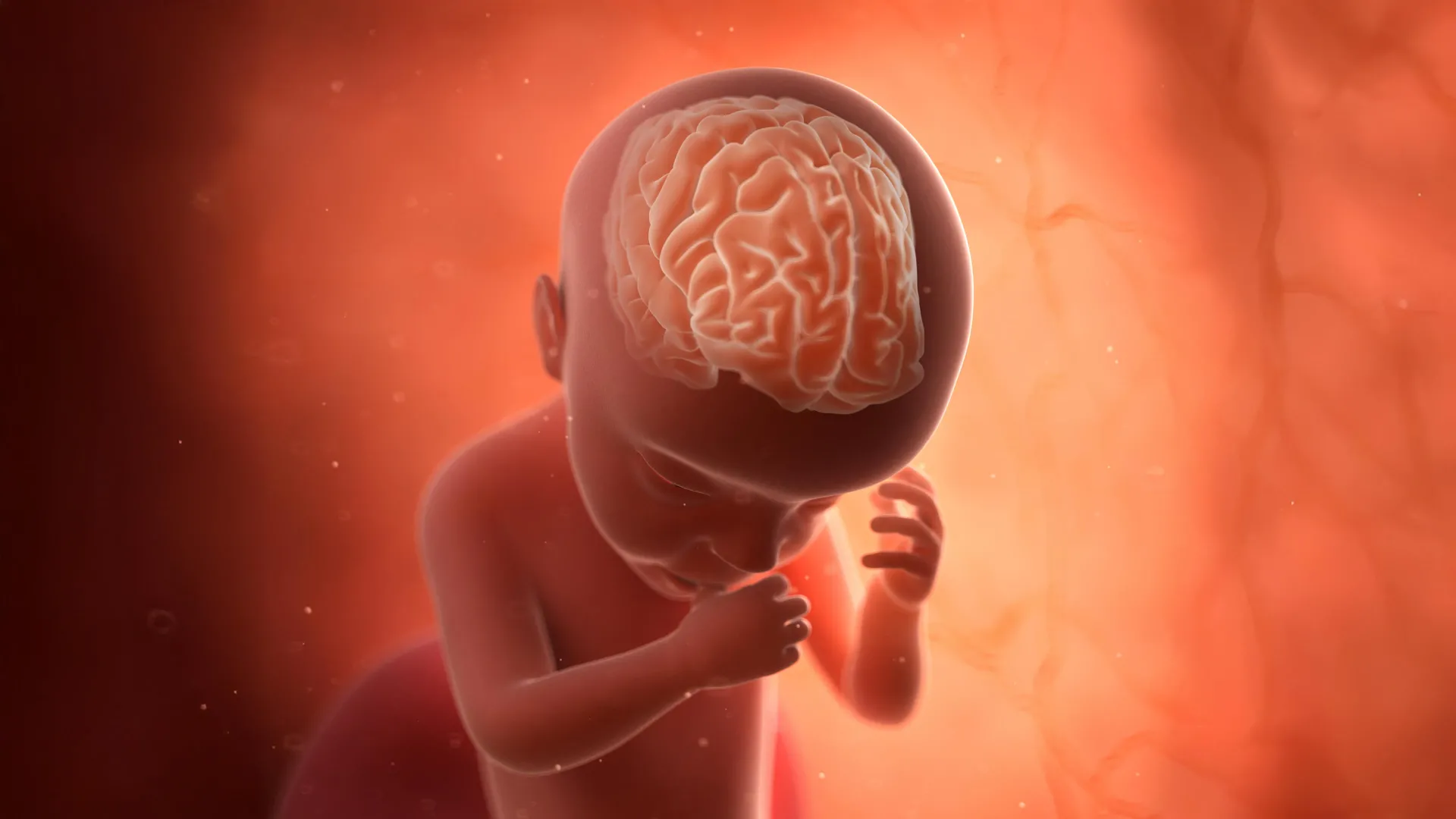
Rare pregnancy infections may triple the risk of autism
Rare infections that can pass from a pregnant woman to a developing fetus are associated with higher risks of autism and intellectual d...
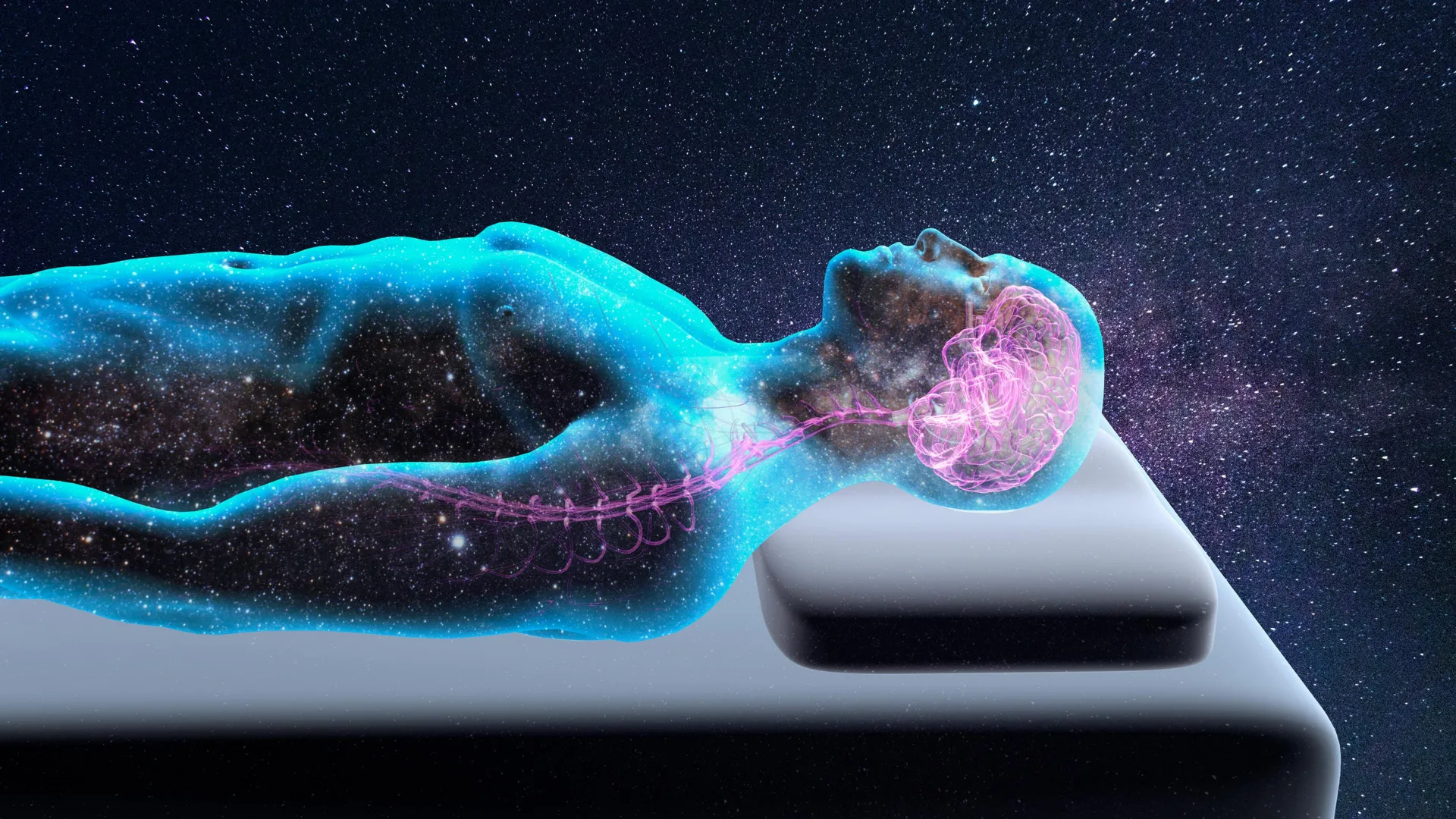
More REM sleep linked to lower risk of 83 diseases
Greater amounts of REM and deep sleep were associated with lower risks of dozens of diseases, and less than 5 hours of total sleep was ...
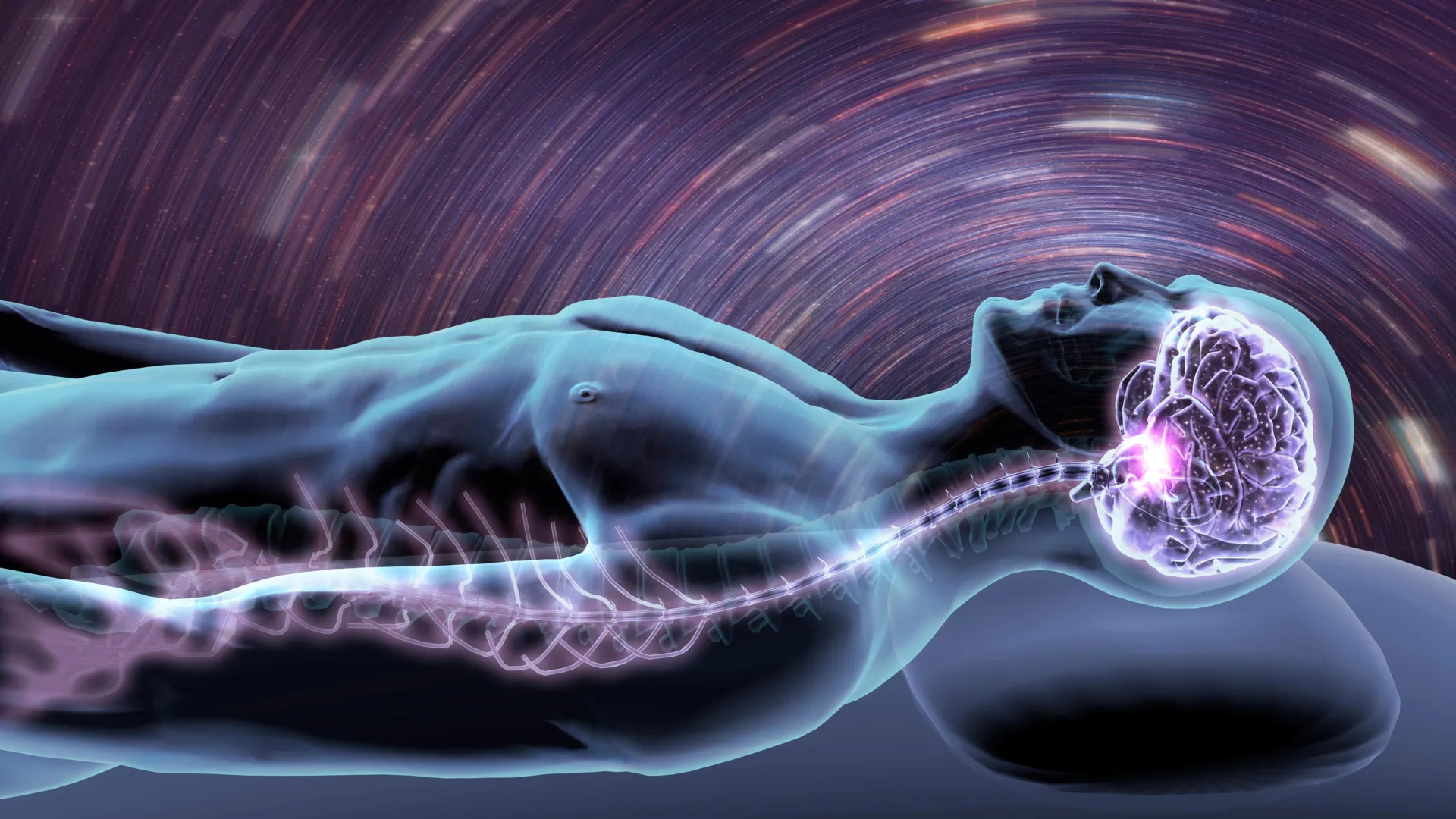
Coffee doesn’t have to keep you awake to disrupt your sleep
For years, people have debated whether drinking coffee in the evening interferes with sleep. Some people can have caffeine late in the ...
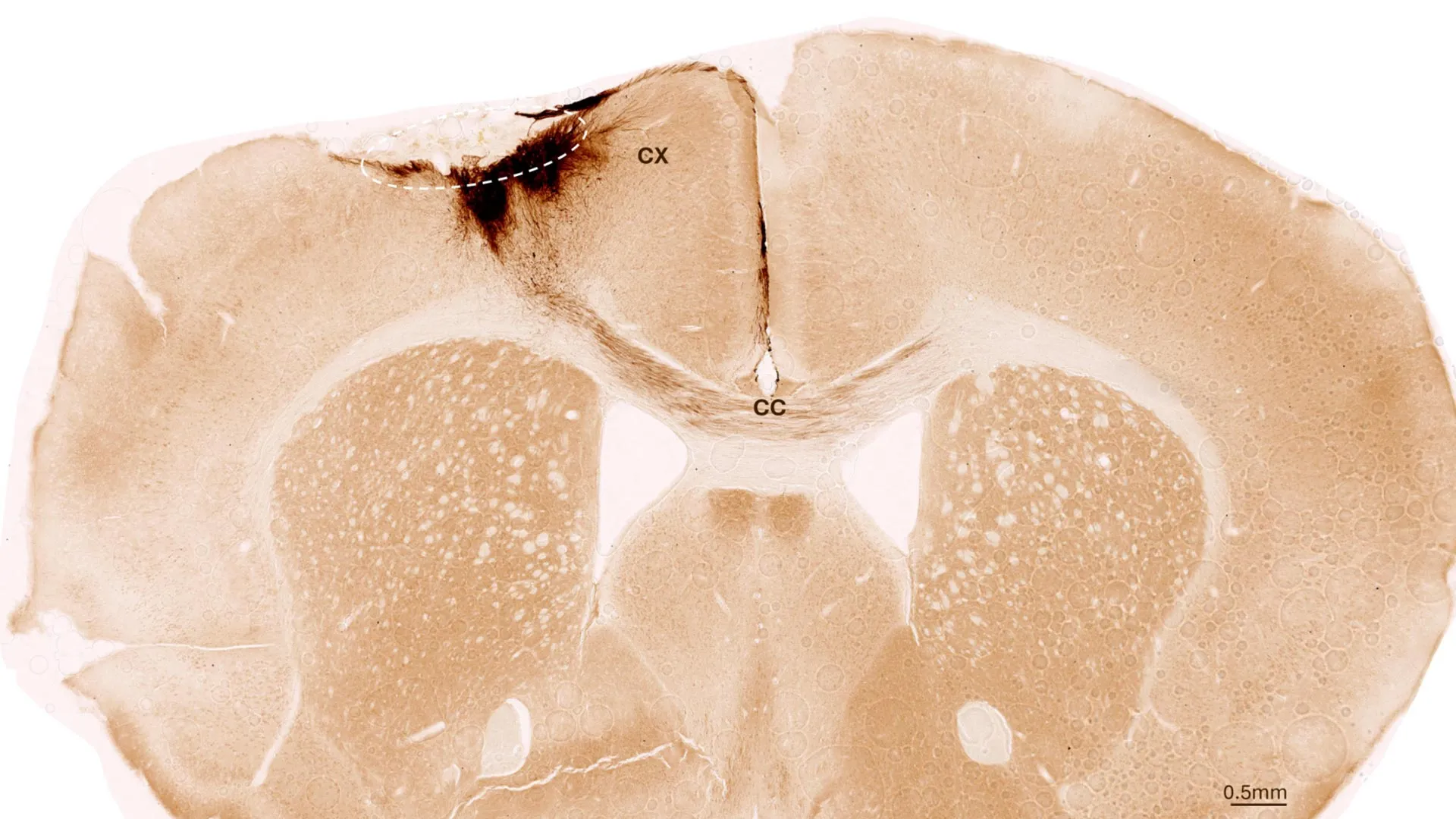
Stem cells reverse stroke damage and restore movement in mice
Stem cell transplants may be able to repair damage caused by stroke, according to researchers at the University of Zurich. In experimen...
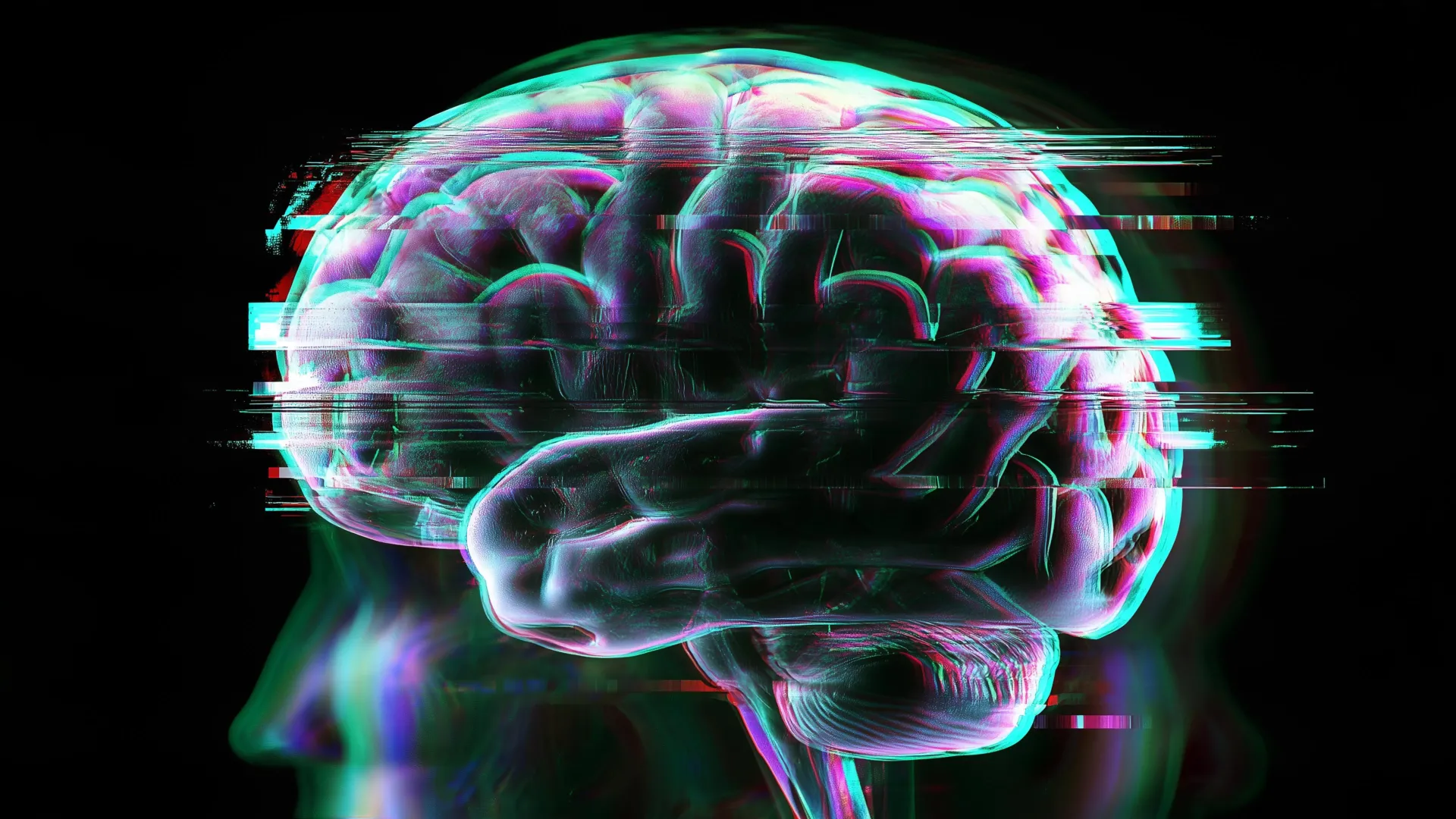
Brain scans reveal a possible cause of long COVID fatigue and brain fog
A new brain imaging study led by scientists at the Centre for Addiction and Mental Health (CAMH) has uncovered what researchers describ...
What chimpanzees at war have taught me about being human
Wood, B. M., Watts, D. P., Mitani, J. C. & Langergraber, K. E. J. Hum. Evol. 105, 41–56 (2017).
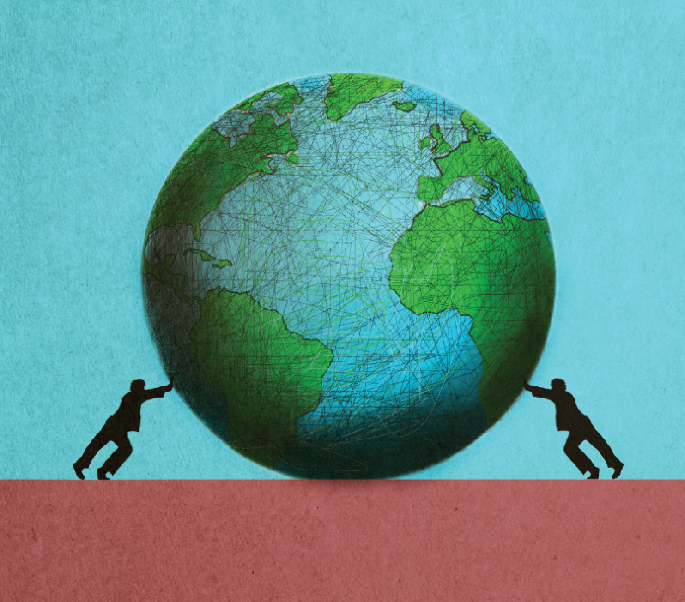
Understanding the structural and psychological bases of inequality
Inequalities in education, health, technology and social status are often studied in isolation. This Focus issue shows how these i...
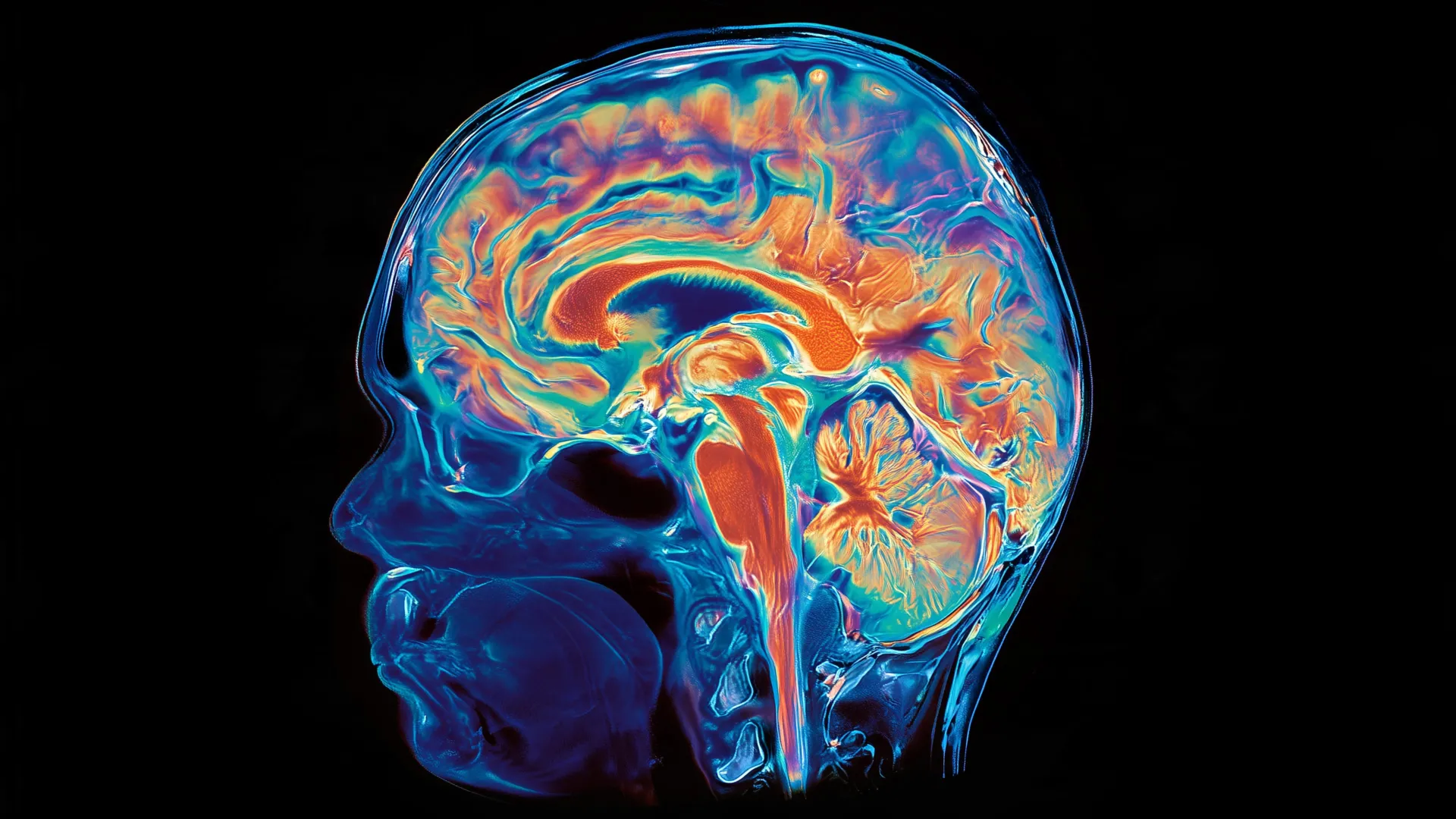
Stanford scientists discover the human brain may actually be two separate organs
Scientists have long treated the brain as a single organ with a shared developmental origin. New research led by Stanford Medicine chal...
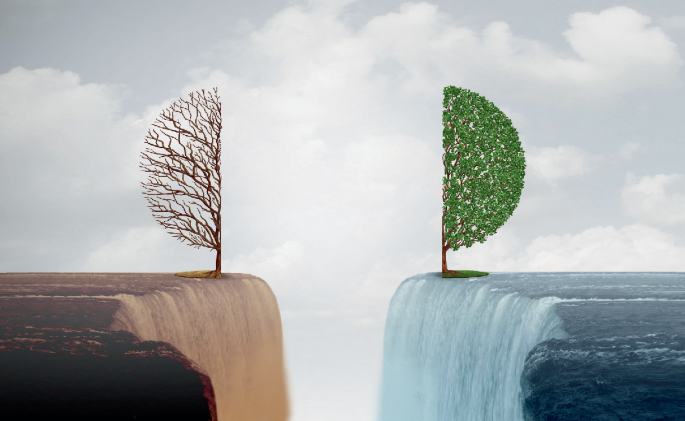
Rising health inequities require looking beyond health systems
Interdisciplinary Center for Scientific Computing, Heidelberg University, Heidelberg, GermanyNihan Toprakkiran, Marina Tresk...