

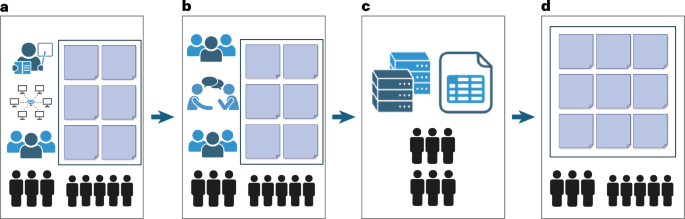

Loneliness and desire for thinness explain sex differences in adolescent internalizing problems
Salk, R. H., Hyde, J. S. & Abramson, L. Y. Gender differences in depression in representative national samples: meta-ana...

Scientists discover a major brain shift between ages 50 and 75
Researchers have found that the human brain begins undergoing broad changes in the way its genome is regulated starting in midlife. The...
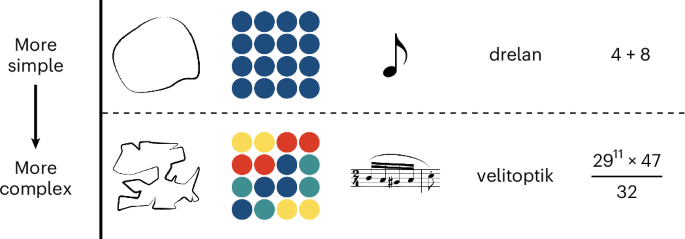
Complexity is a unified cognitive kind
Godfrey-Smith, P. Complexity and the Function of Mind in Nature (Cambridge Univ. Press, 1998).Godfrey-Smith, P. in The Evolu...
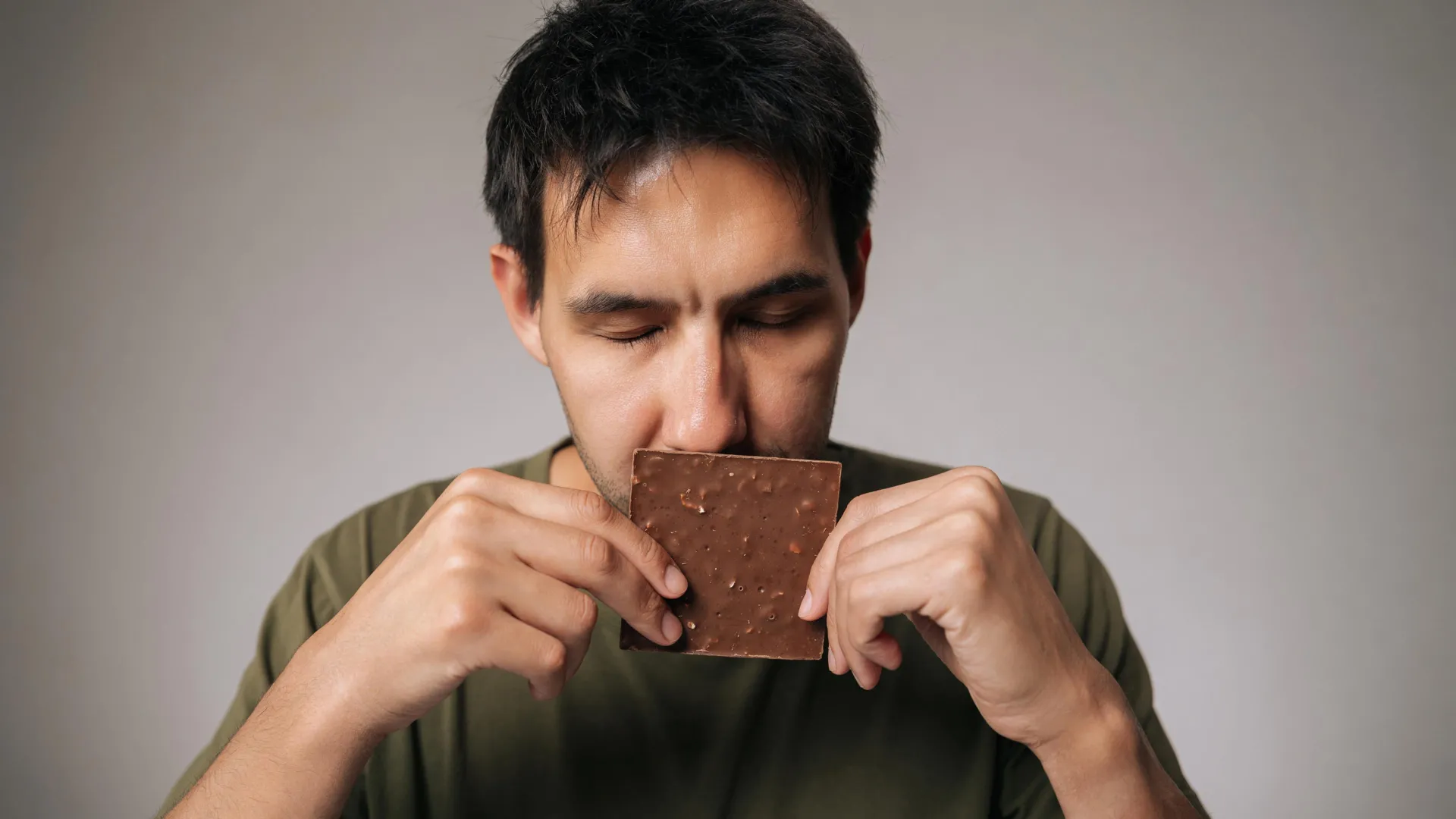
Smelling chocolate helped men complete more reps without feeling more tired
A tough leg day may have an unexpectedly simple boost: the smell of chocolate. According to a new study published in Frontiers in Physi...
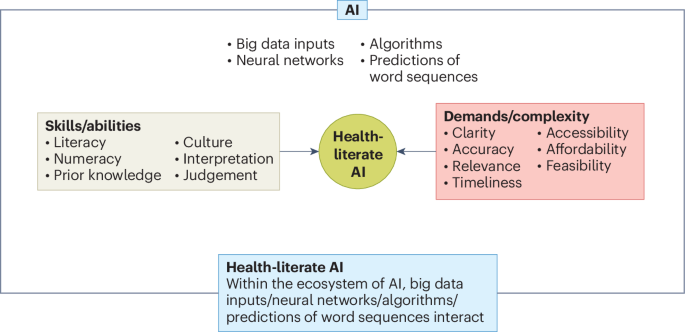
Building health-literate artificial intelligence | Nature Human Behaviour
Afroogh, S., Akbari, A., Malone, E., Kargar, M. & Alambeigi, H. Trust in AI: progress, challenges, and future directions...
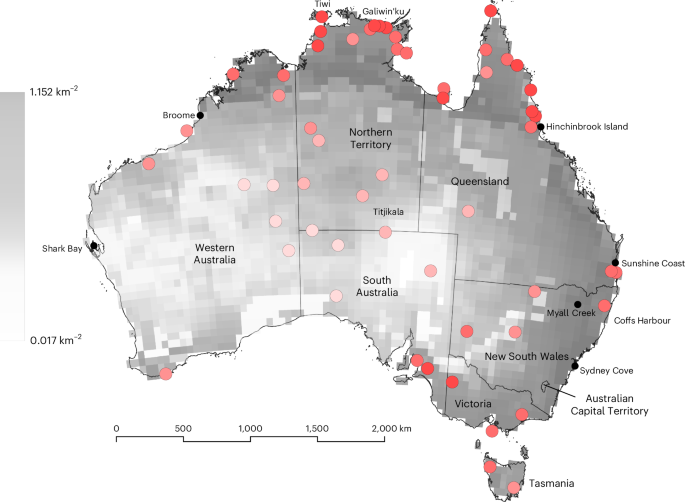
Large estimated size of the Australian Indigenous population before its extensive decline following colonial invasion
Ryan, L. et al. Colonial Frontier Massacres in Australia 1788-1930 (Univ. Newcastle, 2022)
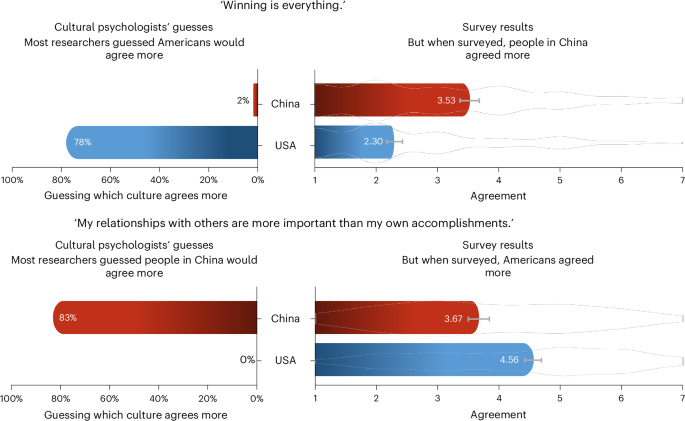
Defining collectivism as duties in relationships rather than generalized warmth improves predictive validity in 100 cultures
Surveying psychologists’ intuitionsA sceptic might argue that these are outdated misunderstandings. After all, t...
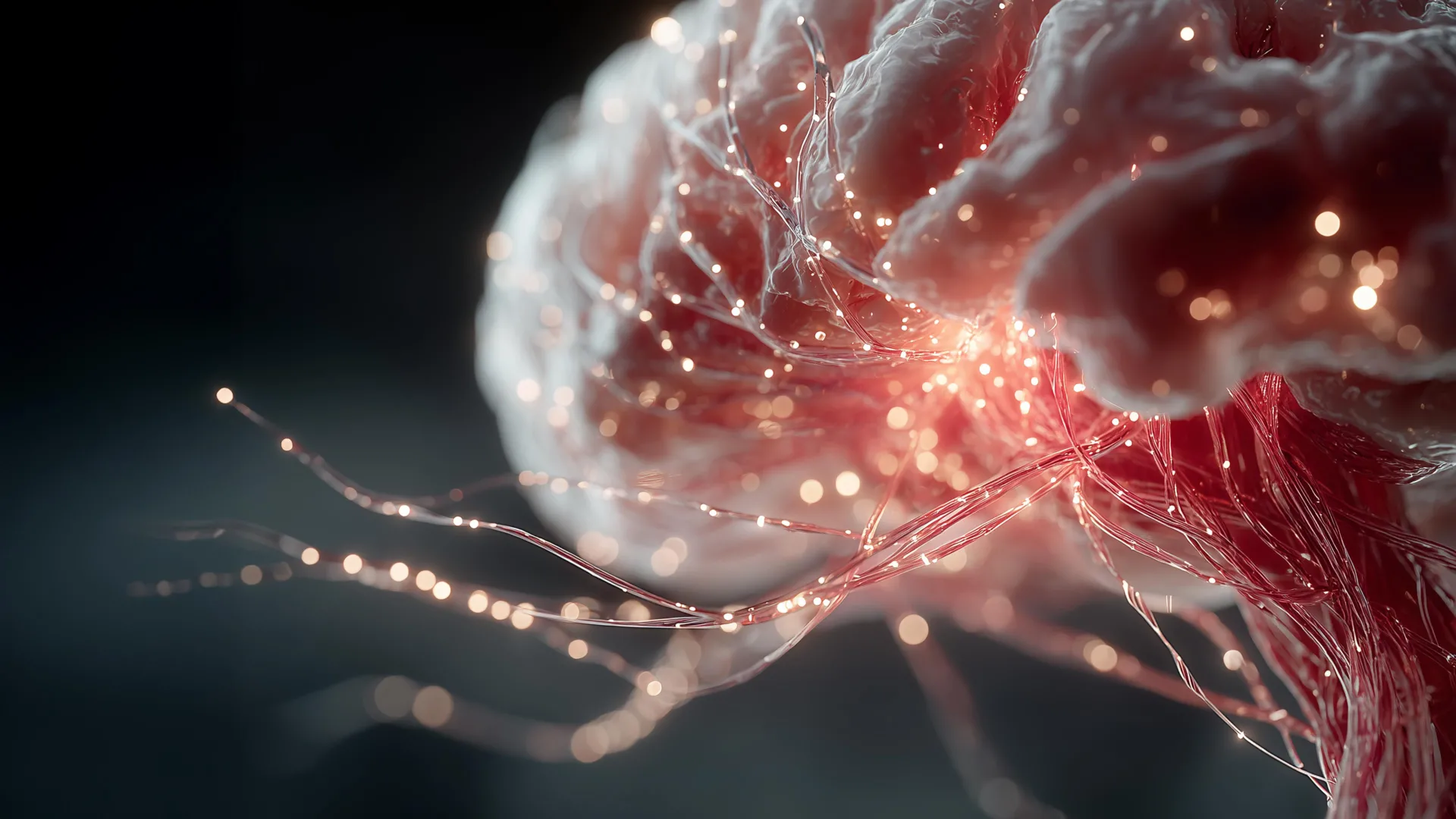
Hidden brain wiring may help keep the mind sharp as gray matter shrinks
Scientists at the Mark and Mary Stevens Neuroimaging and Informatics Institute (Stevens INI) at the Keck School of Medicine of USC have...

Scientists find a new layer of Alzheimer’s hidden in the genome
Researchers at Carnegie Mellon University's School of Computer Science, the University of Pittsburgh School of Medicine and the Univers...

Scientists find Ozempic may slow aging itself
Semaglutide, the active ingredient in popular GLP-1 drugs such as Ozempic and Wegovy, may do more than suppress appetite and improve bl...