

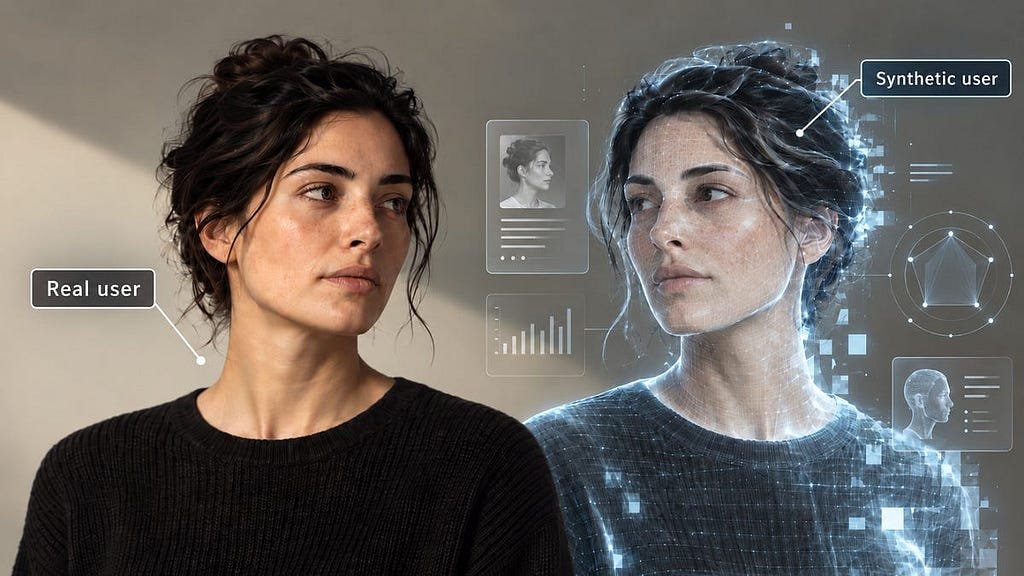

Synthetic users are making me rethink “imperfect research”
Why I’m reconsidering a principle I’ve believed for years.I’ve always believed that imperfect research is better than no research at al...
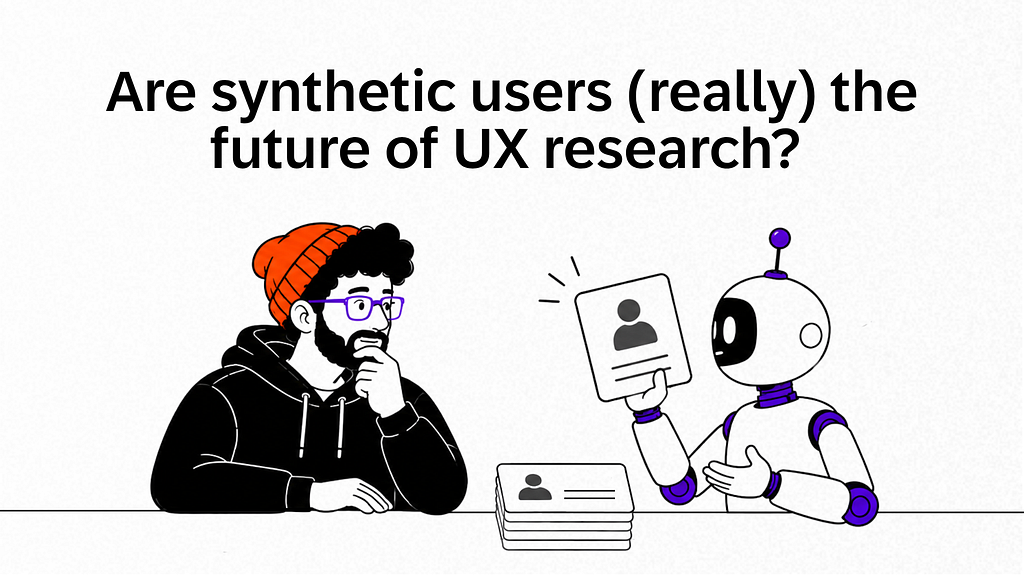
Are synthetic users (really) the future of UX research?
Human-centered design demands a limited use of AI-generated personas, if at allA big debate among UX researchers is whether to use synt...
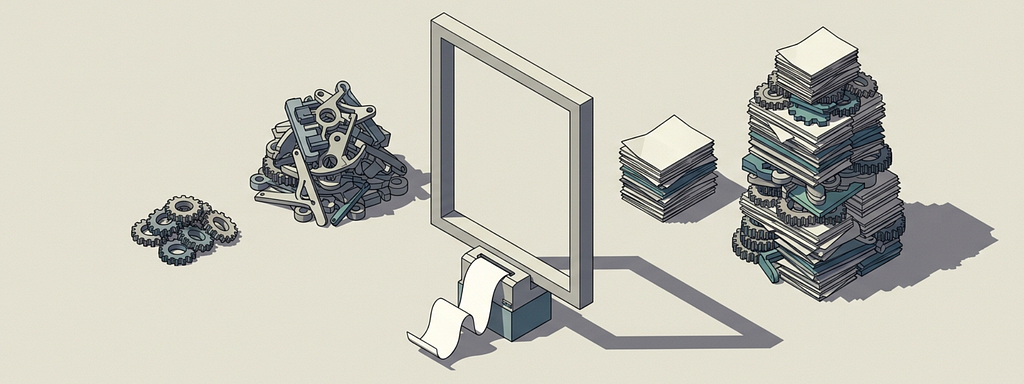
Tesler’s Law: complexity moved to a different part of the journey
The complexity never left the building. It changed hands, and nothing printed a receipt. AI assisted.AI did not remove the complexity o...
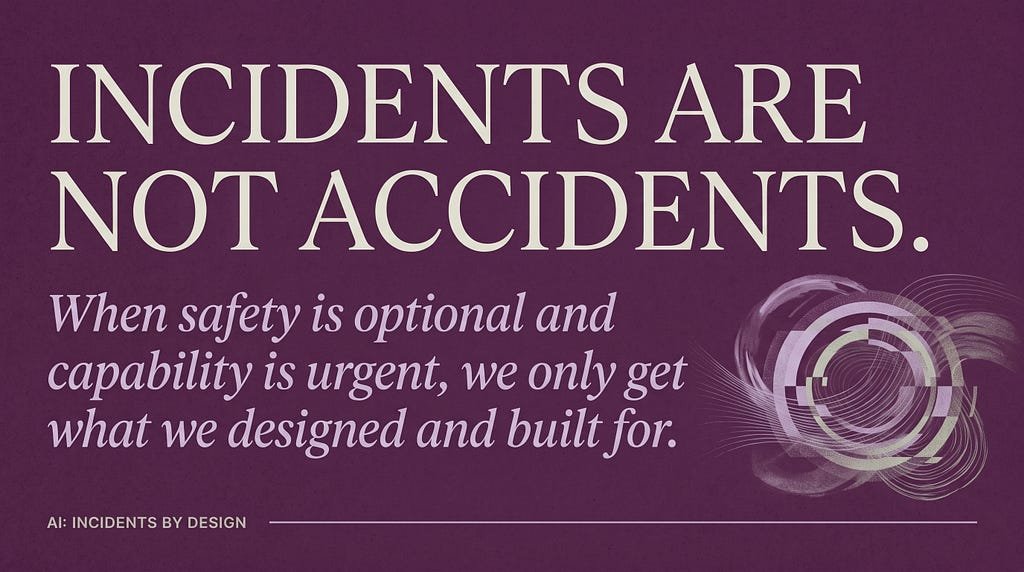
AI: incidents by design
When safety is optional, and capability is urgent, incidents are not accidents. They are what we (consciously or not) designed and buil...
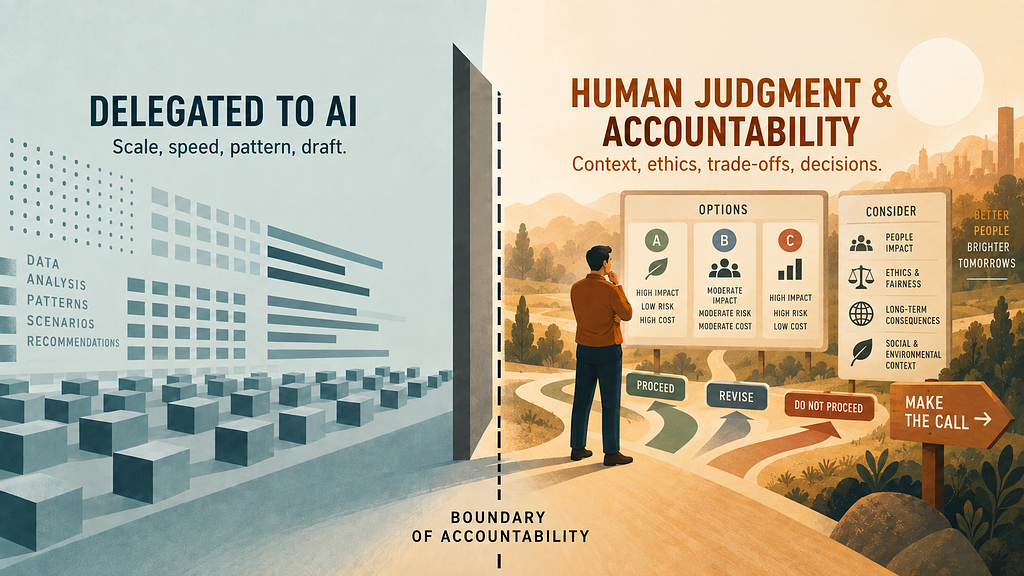
Bounded delegation: How much authority should AI have?
A practical model for deciding what AI can do, what humans must still own, and where product teams should draw the boundary.Image creat...
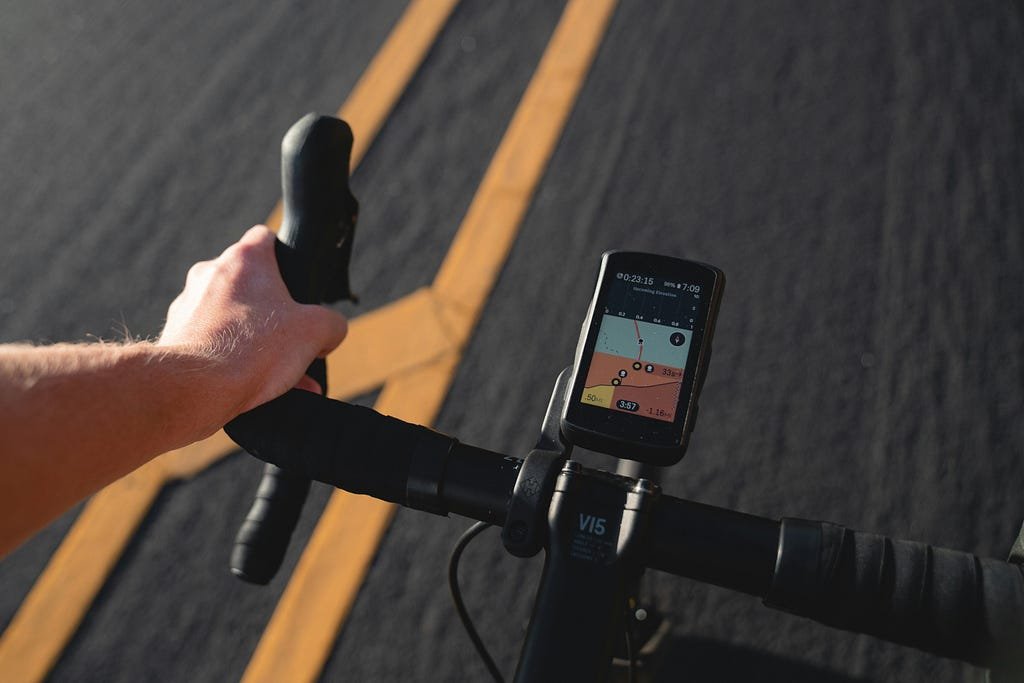
How apps know us better than we do and influence our decisions
Explaining the Homo Metricus: someone who understands themselves based on scores in appsPhoto by
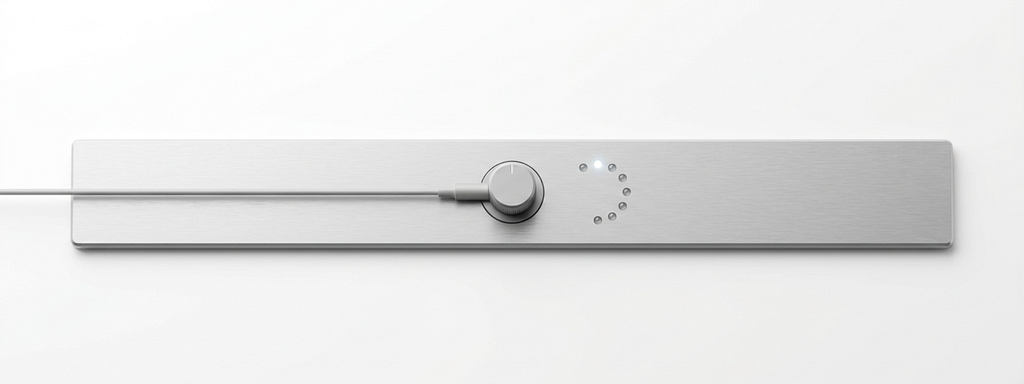
Jev: How to use it for better, faster, and cheaper user decisions in UX
A judgment call, wired in like any other function.Typed answers at keystroke speed let the interface act, suggest, or ask. How UX desig...
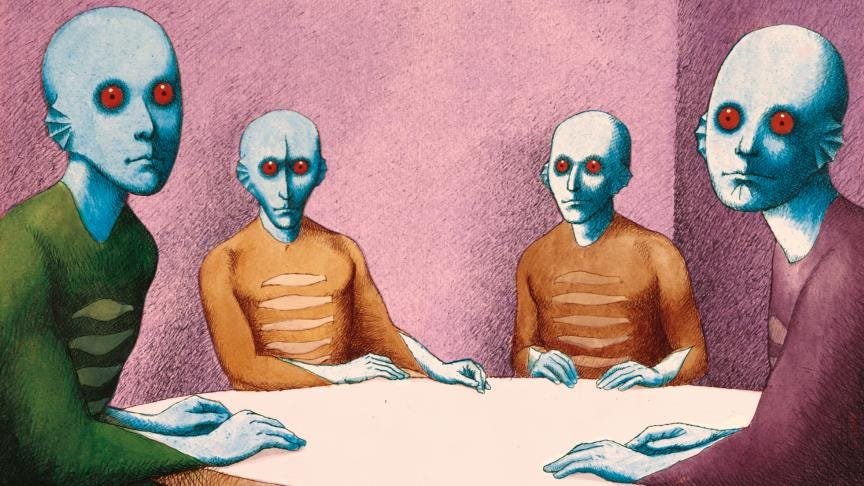
The taste paradox: why the skill everyone says matters is the one we’ve stopped building
We keep saying taste is the last human advantage, but we’ve built a world (and now tools) that make it almost impossible to develop, an...
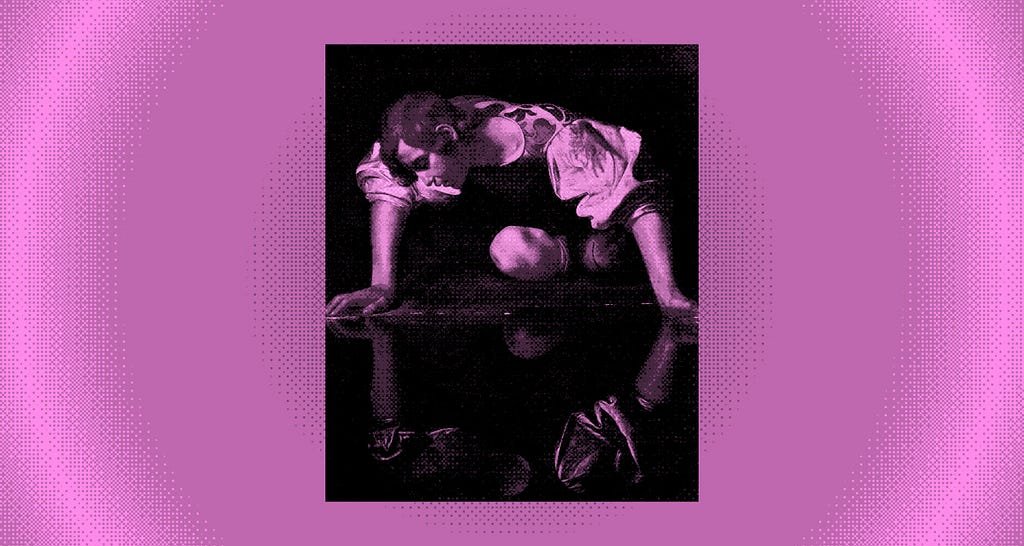
Prompt as self-portrait, De-slopifying your designs, The strategic designer
Weekly curated resources for designers — thinkers and makers.“...

The feed I produce myself
On working with agents, producing more than ever, and losing the ability to see anything whole.Maestro, we have six more deliveries rea...