



Alzheimer’s risk gene APOE4 may have a reversible weakness
Mount Sinai researchers have uncovered new details about how APOE4, the strongest known genetic risk factor for Alzheimer's disease, ma...

Could quitting ultra-processed food boost your mental health?
A small preliminary study from UC San Francisco adds to mounting evidence that eating fewer ultra-processed foods may help reduce sympt...
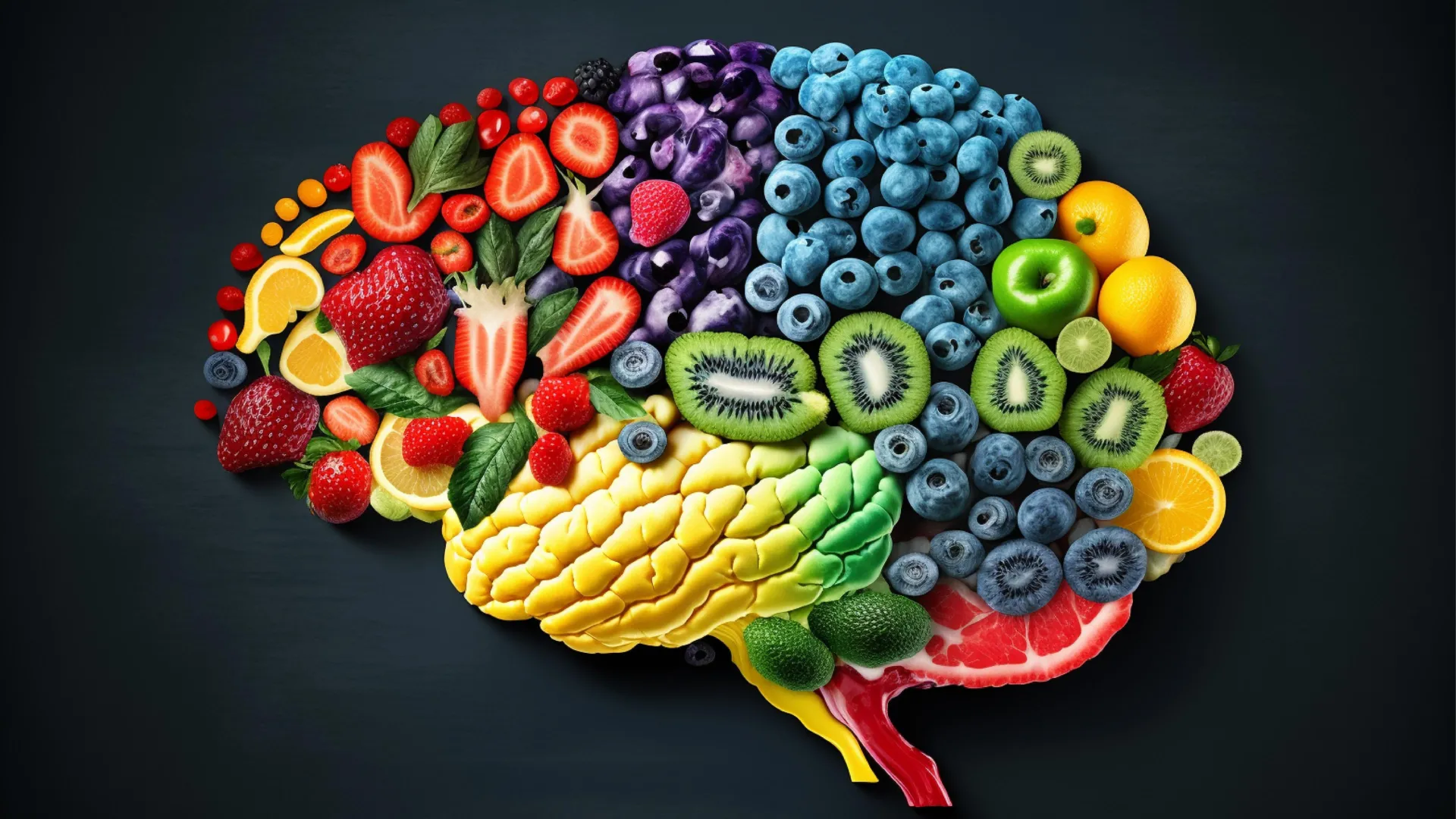
This diet may slow brain aging by 2.5 years
A diet that combines elements of the Mediterranean diet with an eating plan designed to lower blood pressure may help slow some of the ...
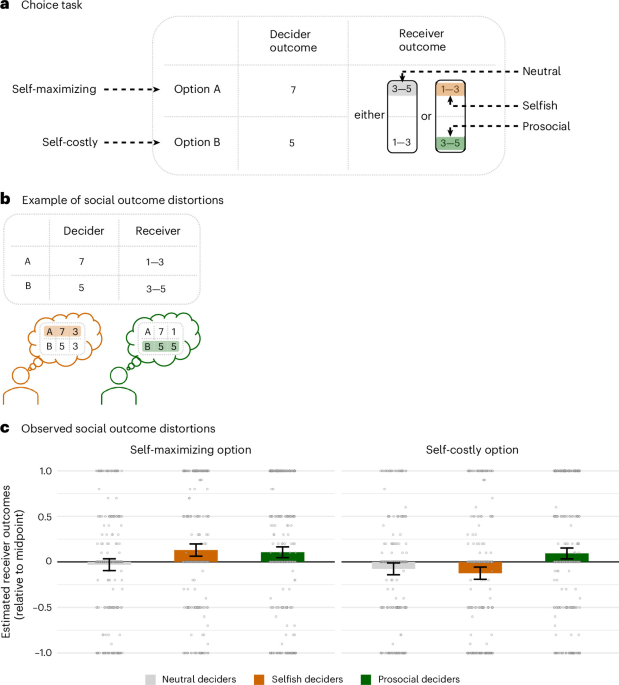
Selfish and prosocial individuals both distort their actions’ impact, but selfish distortions can be more contagious
Selfish and prosocial individuals distort social outcomes in predictably different waysTo capture the fundamenta...
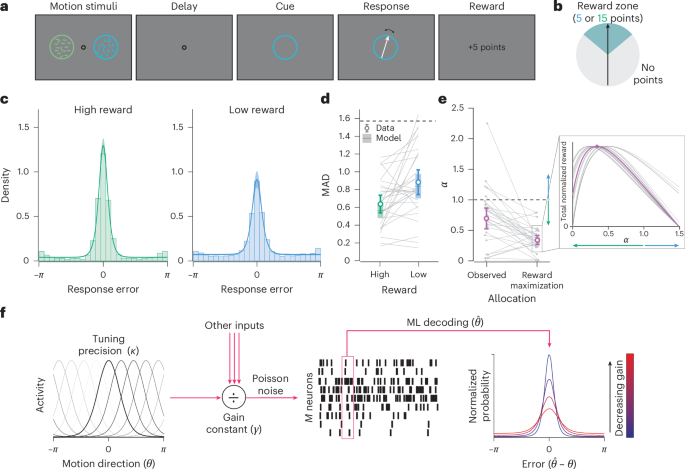
Intrinsic rewards guide visual resource allocation via reinforcement learning
ApparatusIn the online experiments, tasks were presented via web browsers on observers’ personal computers and ...

Brain scans reveal which disorders are linked to faster brain aging
People with dementia, mild cognitive impairment, alcohol addiction, and psychiatric conditions such as schizophrenia may show signs of ...

Children at risk for depression get “stuck” on sad faces
A smile or a frown may reveal more than emotion alone. The faces that capture a child's attention could provide important clues about t...

Creatine may help build muscle even without exercise, researchers find
Creatine is widely known for helping support muscle growth and athletic performance, but researchers are increasingly examining whether...

Cannabis users were twice as likely to commit violence, review finds
A large review led by researchers at King's College London has found that people who use cannabis are more likely both to commit violen...
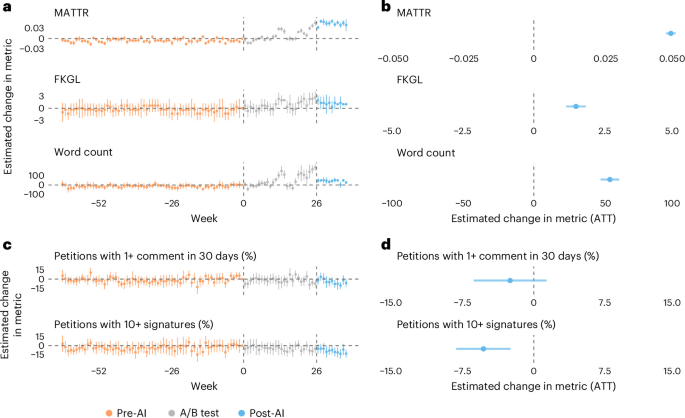
Introducing AI to an online petition platform changed outputs but not outcomes
Noy, S. & Zhang, W. Experimental evidence on the productivity effects of generative artificial intelligence. Science 381...