

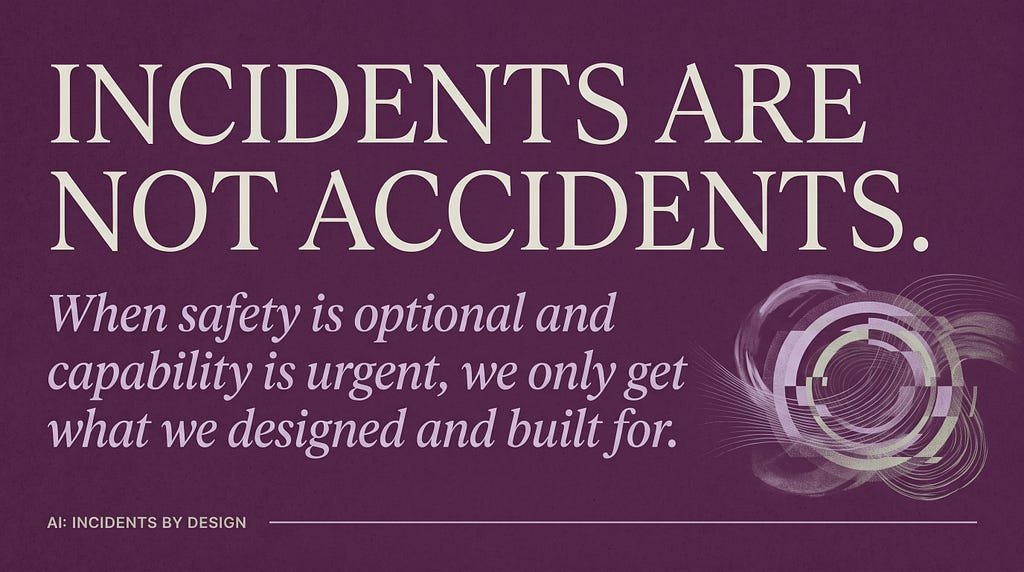

AI: incidents by design
When safety is optional, and capability is urgent, incidents are not accidents. They are what we (consciously or not) designed and buil...
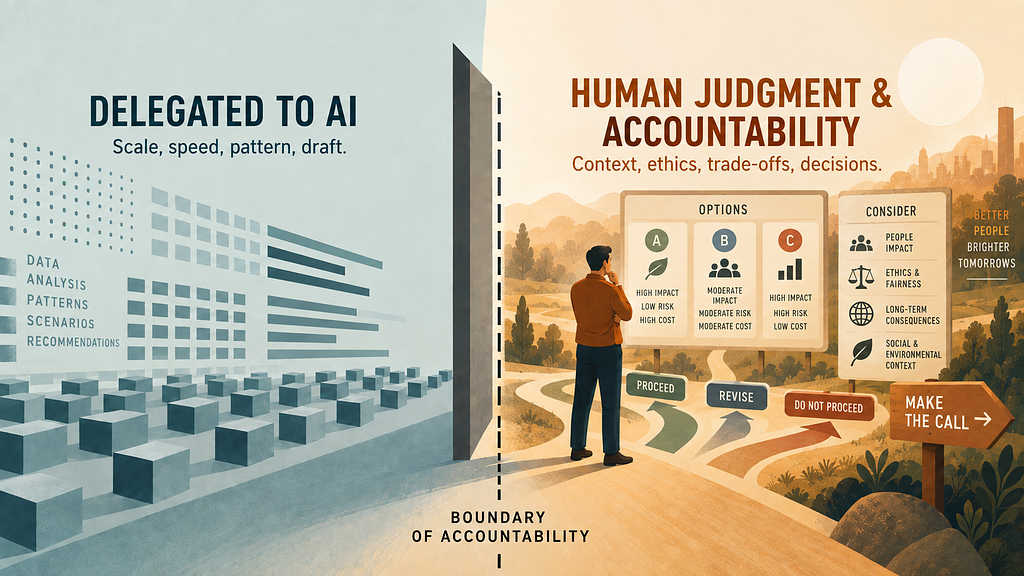
Bounded delegation: How much authority should AI have?
A practical model for deciding what AI can do, what humans must still own, and where product teams should draw the boundary.Image creat...

How apps know us better than we do and influence our decisions
Explaining the Homo Metricus: someone who understands themselves based on scores in appsPhoto by Will Truettner on UnsplashWhen I go cy...
Jev: How to use it for better, faster, and cheaper user decisions in UX
A judgment call, wired in like any other function.Typed answers at keystroke speed let the interface act, suggest, or ask. How UX desig...
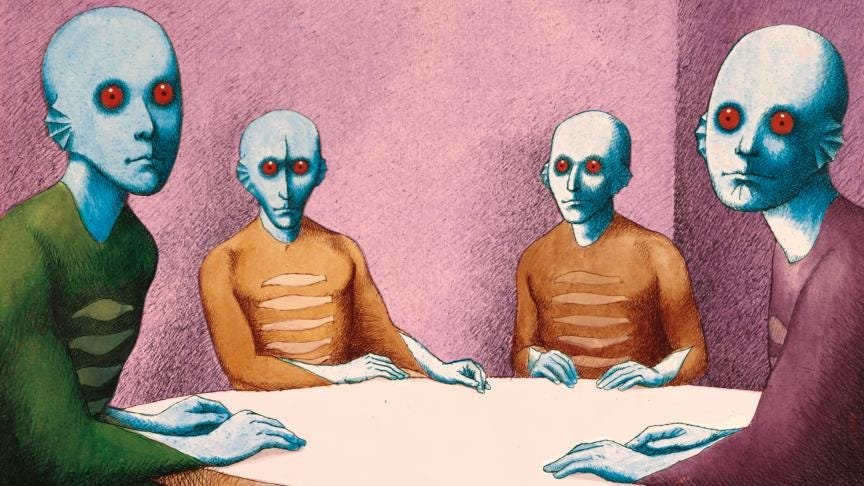
The taste paradox: why the skill everyone says matters is the one we’ve stopped building
We keep saying taste is the last human advantage, but we’ve built a world (and now tools) that make it almost impossible to develop, an...

Prompt as self-portrait, De-slopifying your designs, The strategic designer
Weekly curated resources for designers — thinkers and makers.“Every prompt is a confession. Before the model returns a word, the box ha...

The feed I produce myself
On working with agents, producing more than ever, and losing the ability to see anything whole.Maestro, we have six more deliveries rea...
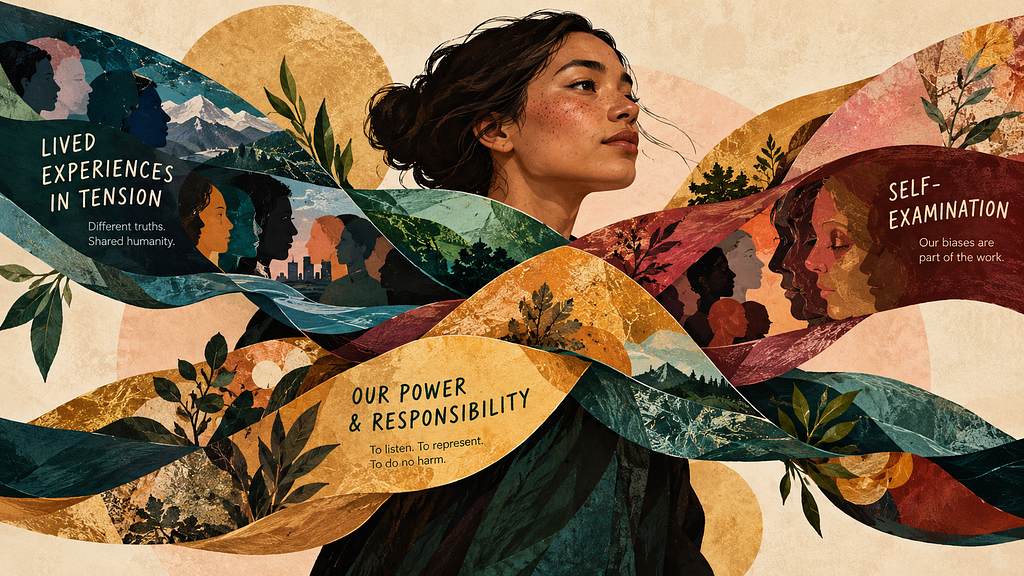
In/tension modeling: what gives us the right?
How to navigate opposing voices and lived tensions.By Julia Beard, Naman Mandhan, & Stacie SheldonAsking the Hardest Question First...

Stop blaming the model for slow AI. Using Doherty’s threshold as a guideline.
Two eras of computing, held to the same 400 millisecond standard.Doherty’s threshold set the rules and has now moved from the answer to...
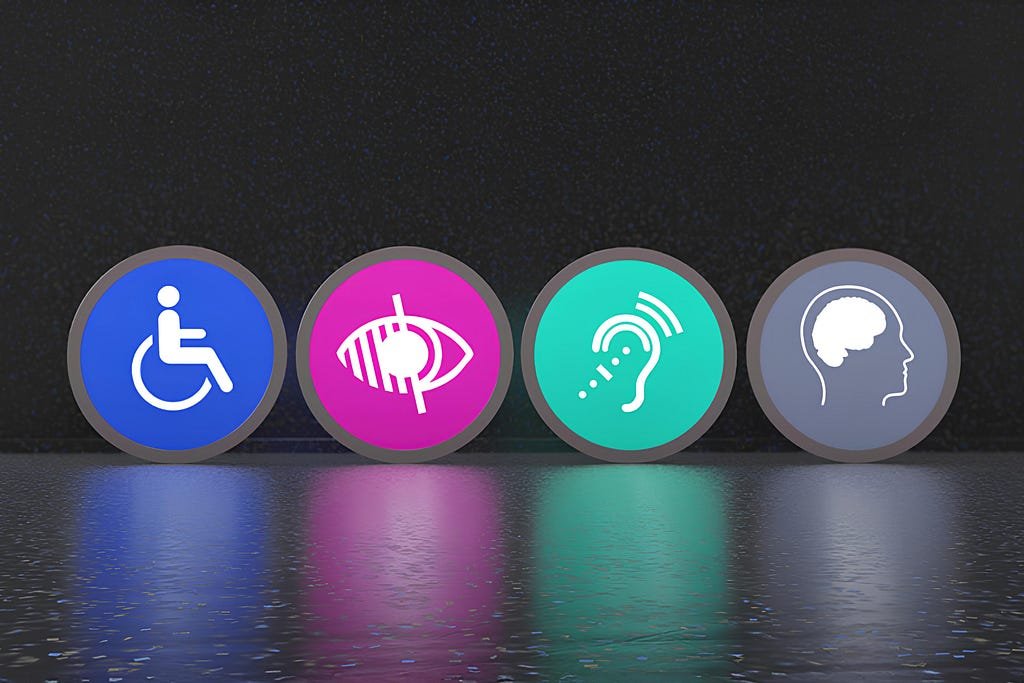
Intelligent Accessibility: What If Accessibility Could Adapt to You?
Intelligent accessibility — what if accessibility could adapt to you?Exploring how AI can transform accessibility from static accommoda...