

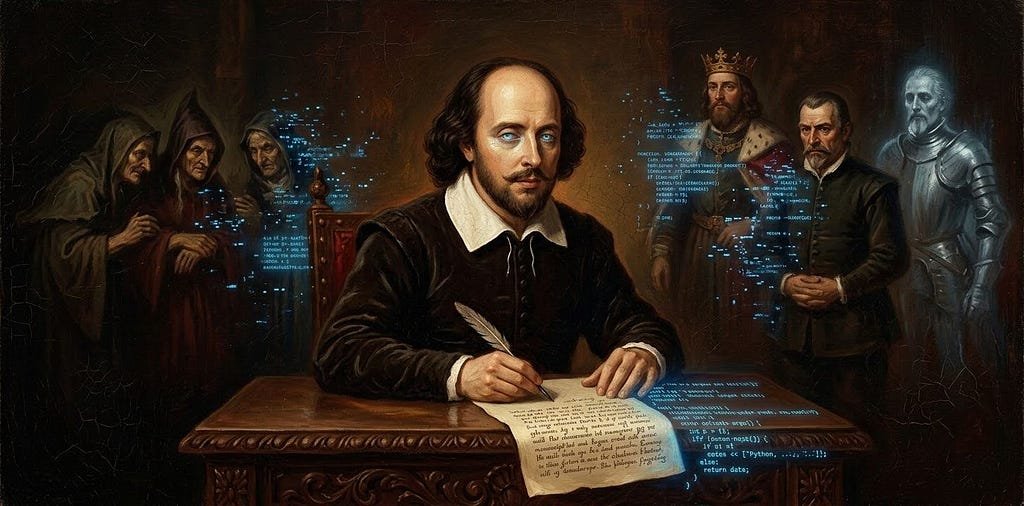

What Shakespeare got right about AI
From ink and quill to glowing code: Shakespeare’s exploration of prophecy and equivocation, the art of speaking truths that mislead, an...

Persistent lessons in human-centered automation
What a 1980s photocopier study reveals about the Agentic UX eraA mixed-media recreation of a field observation at Bossa Nova Robotics, ...

Most AI problems are really human problems
The machine room is full; the chair that owns the decision is empty. AI assisted.The cause sits upstream: unread intent, missing oversi...
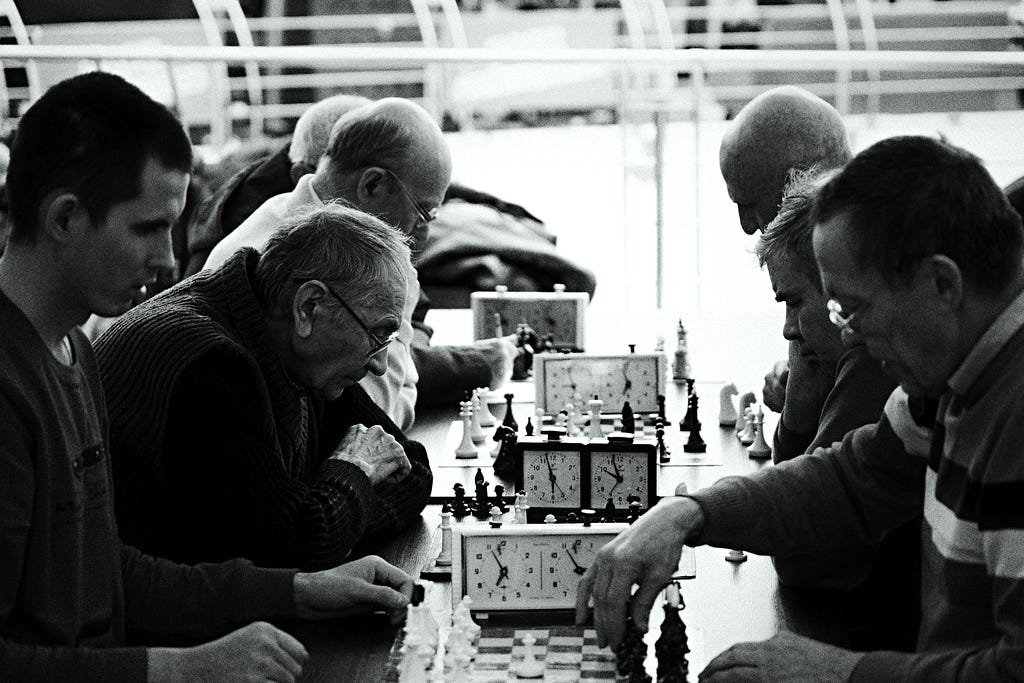
AI in Product teams: In 2026, the growing impact on collaboration
Is the time of blind AI-tool-pushing over? There seems to be a shift in how companies approach AI. Less piecemeal initiatives, more str...

AI canvas, Synthetic self, The prompt is the product
Weekly curated resources for designers — thinkers and makers.“AI coding agents are bringing some of that interaction model back. You ca...

Reading and writing are interfaces. And AI can reduce their friction.
The question is not whether AI reduces work, but where the intellectual work moves.Photo by
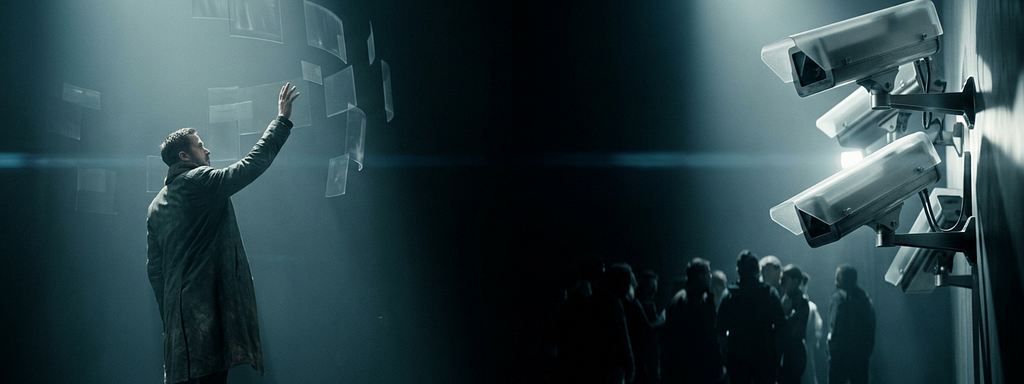
What Minority Report got wrong about AI (so far)
The film gave us two futures. We rebuilt the one that was easy to demo.The film cautioned against predictive systems and pre-crime, and...

AI took away engineering’s right to say no
The closed system of software engineering, where the complexity of the code acted as both a wall and a gatekeeper.AI didn’t touch what ...
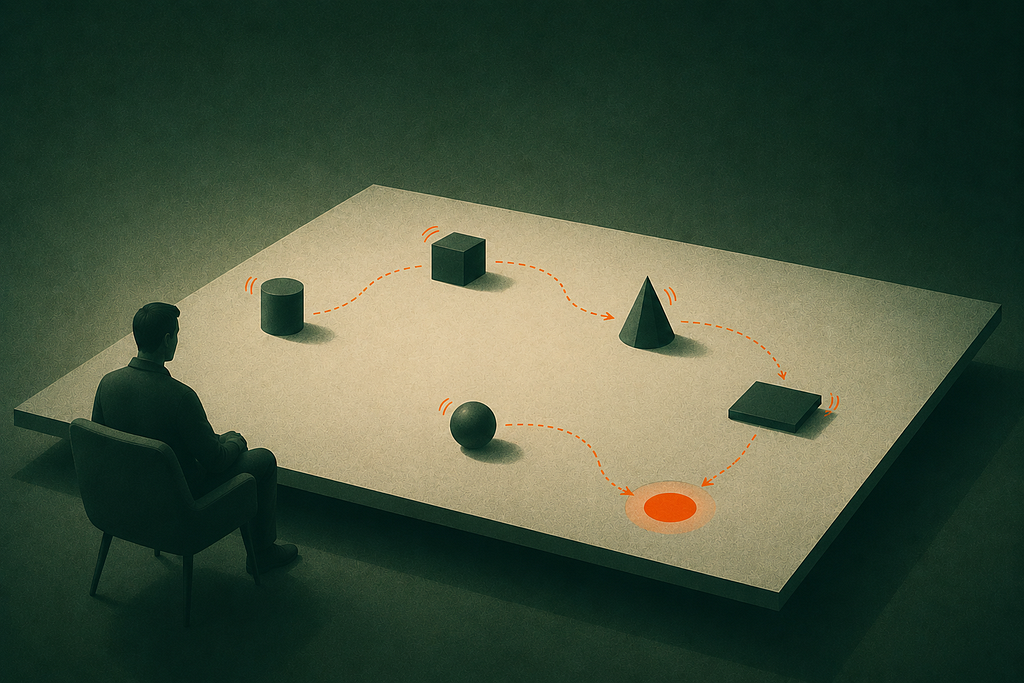
When the canvas starts acting, who’s really in control?
How agentic interfaces are changing what designers control, from interactions to agency, orchestration and attention.Agentic canvas can...
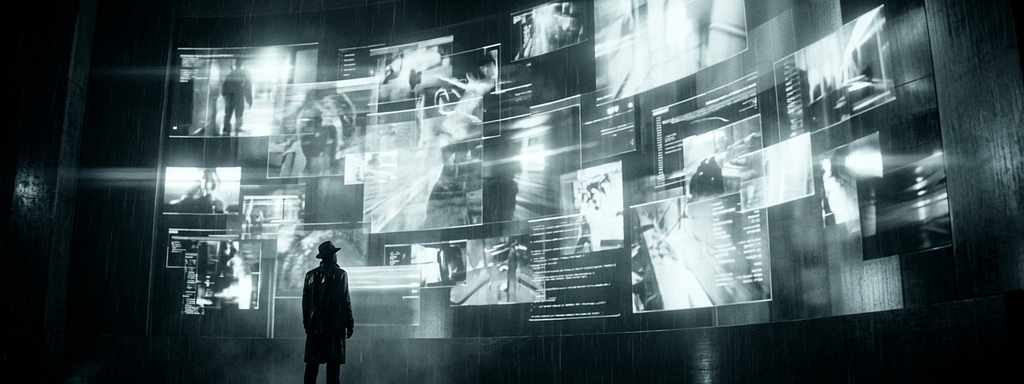
What Minority Report got right about AI
The operator dwarfed by the machine that generates his future for him. The film’s real subject was never the screen.Steven Spielberg’s ...