



Just 3,000 steps a day may help slow Alzheimer’s, scientists find
A new study suggests that even low levels of physical activity could protect the brain from Alzheimer’s disease – but not in the way sc...
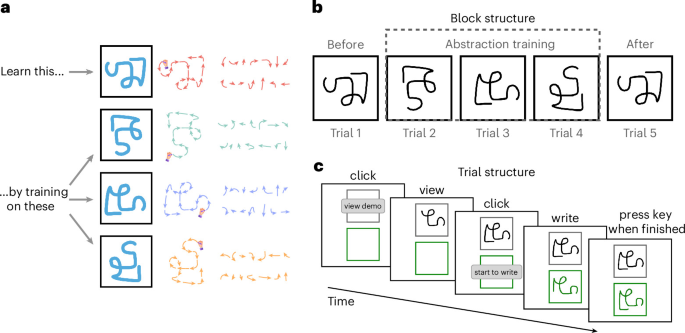
Motor abstraction training generalizes to the refinement of specific movement patterns
Pylyshyn, Z. W. Computation and cognition: issues in the foundations of cognitive science. Behav. Brain Sci. 3, 111–132 (198...

What if AI sets us free?
What can destroy us can also save us. Here’s how I think we can stay in charge of the choice.From the Rocky Horror Picture Show,

Why some people escape Alzheimer’s despite carrying a high-risk gene
Some people carry one of the strongest genetic risk factors for Alzheimer's disease yet never develop it, remaining mentally sharp well...
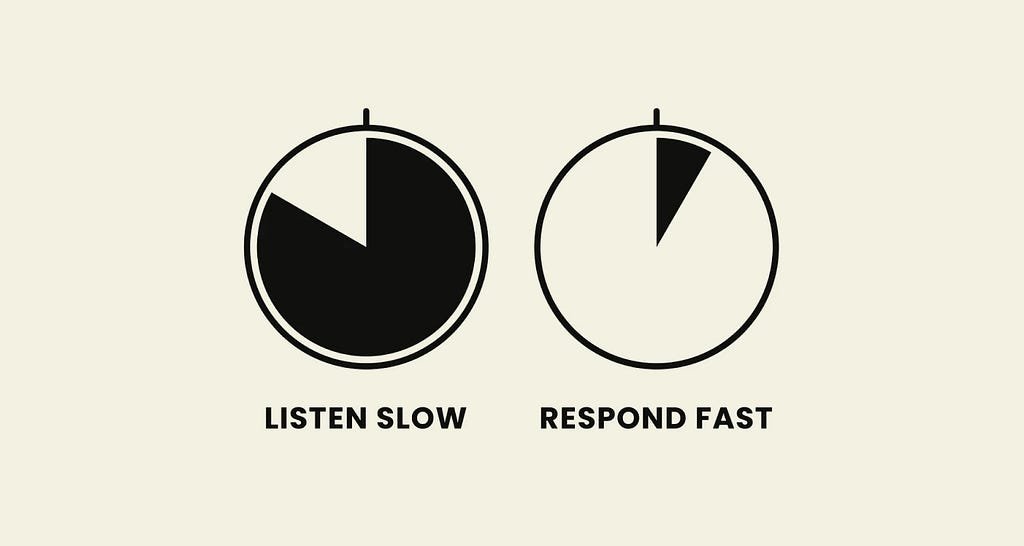
Why design (still) matters, Taste is not a methodology, Borrowed slopes
Weekly curated resources for designers — thinkers and makers.AI companies have spent the past year hiring forward-deployed engineers: e...
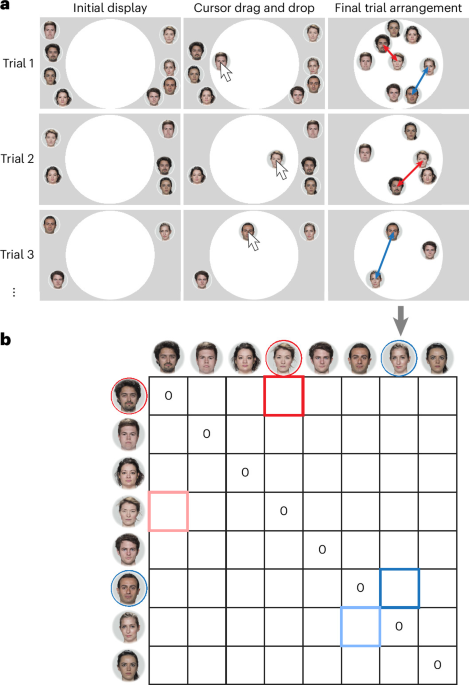
Trait judgements of faces using a task without word labels
This study was approved by the institutional review boards of the California Institute of Technology (IRB# 21-11...

The world is crumbling in ‘The History of Concrete’
It’s the second-most used material on Earth, it’s an environmental disaster, and it’s falling apart all around us....

Scientists find a youth protein that helps aging brain cells act young again
A protein associated with youth may help aging brain cells regain some of their lost abilities. Scientists at the Icahn School of Medic...
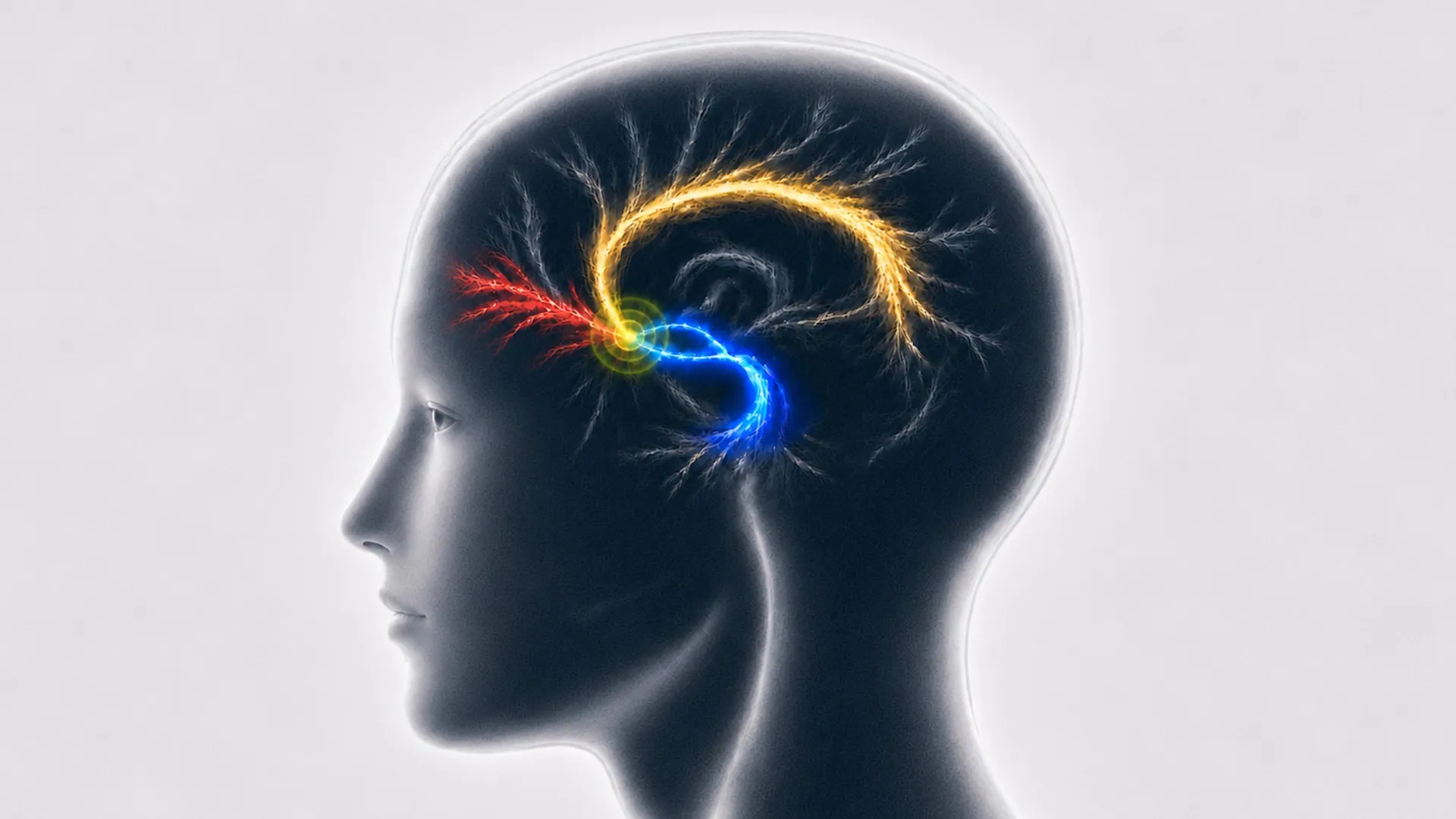
Scientists uncover 3 key brain pathways linked to lasting depression relief
Scientists at Mount Sinai have identified three important brain connections associated with long-term improvement in patients receiving...

Magic mushroom ingredient takes the fight out of aggressive fish
Psilocybin, the psychedelic substance found in more than 200 species of mushrooms, appears to have an unexpected effect on aggressive f...