
As gas prices soar, Trump is ignoring lessons from the last oil crisis

During the infamous oil embargo of 1973, when the world’s petroleum-producing countries stopped exporting to the United States during the Yom Kippur War, the effects on the U.S. were disastrous. Gasoline prices jumped by almost 50 percent, gas stations had to ration fuel, and lines at the pump snaked for miles. President Richard Nixon announced desperate measures to save energy, from asking workers to start their day an hour earlier to pleading with citizens not to put up Christmas lights.
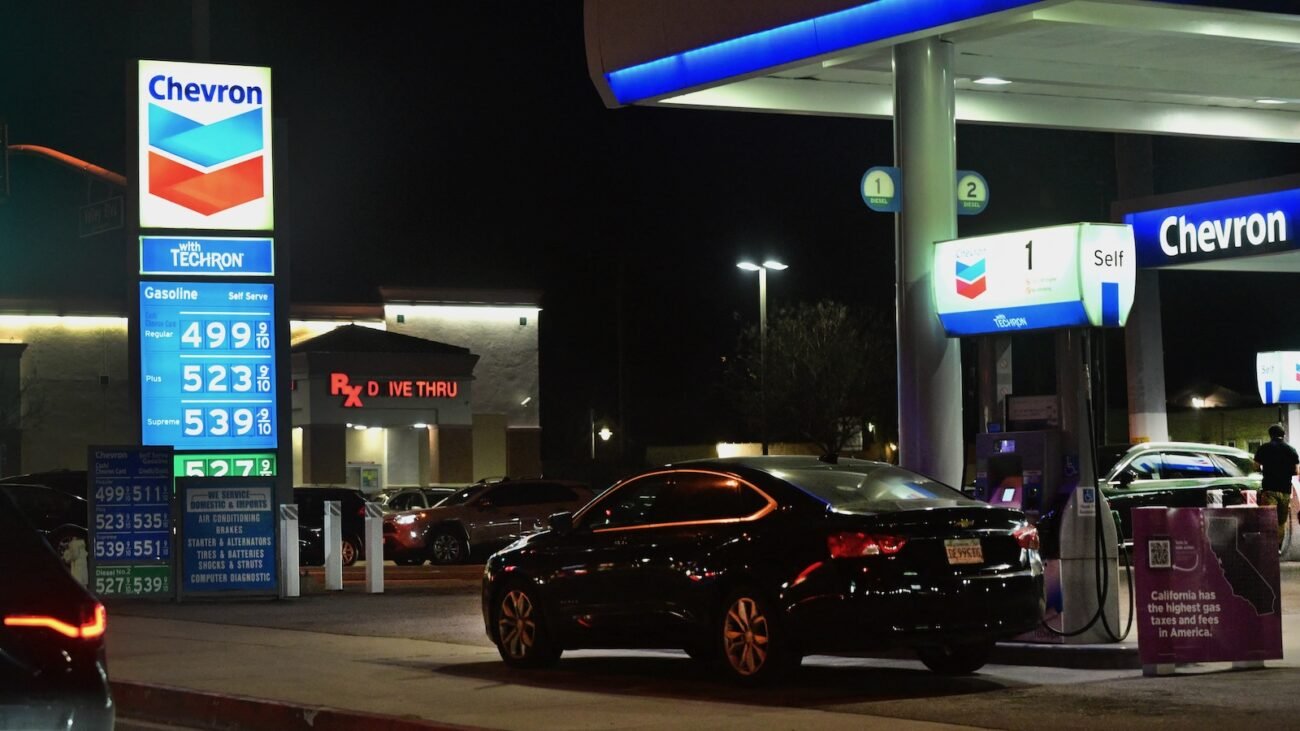
More than 50 years later, war in the Middle East has once again stalled the flow of much of the world’s oil. Around 20 percent of global petroleum exports pass through the Strait of Hormuz, which is effectively closed as it remains near the center of hostilities that began when the U.S. and Israel launched strikes on Iran late last month.
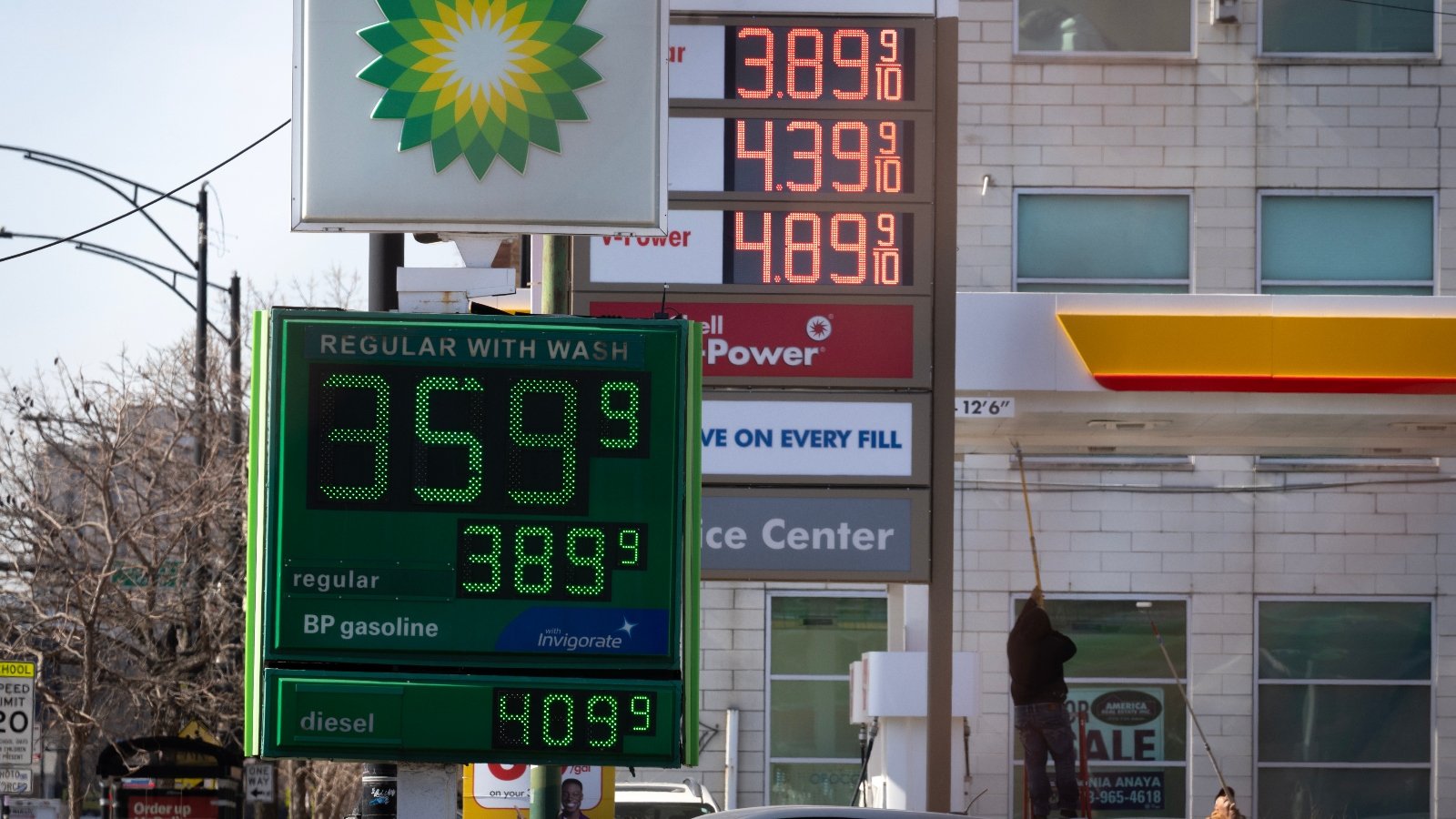
While this supply shock is already showing up in prices at American gasoline pumps, the domestic effects will be far more muted than they were in 1973. This is in part because of the fracking boom, which unlocked so many of the country’s massive oil reserves that the U.S. is now the world’s largest producer of the commodity.
But the oil market is global, meaning Americans are still vulnerable to international shocks, albeit less so than before. That’s where the federal government’s long fight against oil dependence plays a role: Environmental and climate regulations have caused dramatic increases in the fuel economy of cars and trucks since the Nixon era. As a result, a gallon of gasoline can take the average driver almost twice as far today than it could at that time, which means that the economic effect of rising gas prices is less significant. The so-called “gasoline intensity” of the U.S. economy, or the amount of gas the U.S. consumes per unit of output, has fallen by more than 70 percent since the embargo.
But the very policies that slashed U.S. oil dependence have been under total assault by the Trump administration. Last month, the Environmental Protection Agency both repealed its vehicle emissions standards and also relinquished its authority to regulate greenhouse gas emissions from automobiles. The repeal came on the heels of Trump’s allies in Congress ending enforcement of yet another landmark regulation that increased fuel efficiency.
The arguments that the Trump administration made to justify these rollbacks are already being undermined by consequences of the president’s own actions in the Middle East. To defend the repeals, Trump officials downplayed the consumer benefits of fuel efficiency, assuming gasoline prices will hover around $3 per gallon for the next three decades. That was never guaranteed, and it almost certainly depends on avoiding the kinds of geopolitical conflict that the president just set in motion. The administration has promised that its new standards will save consumers $1.3 trillion on their vehicle payments. In a world of high oil prices, it could put them deep in the red.
“The fact that oil prices are currently higher than they had been at the time makes the repeal even less economically justifiable,” said Richard Revesz, who oversaw vehicle regulations at the EPA under the Biden administration.
The first U.S. fuel economy standards emerged in reaction to the 1973 oil embargo. Two years later, Congress created the “corporate average fuel economy” or CAFE standards, which required automakers to make their fleets more efficient each year. These rules doubled average fuel efficiency from around 10 miles per gallon in 1970 to around 20 miles per gallon in 1990. Improvements then stalled for decades as Congress blocked further increases.
The Obama administration broke this logjam. It not only raised the CAFE standards again, but also imposed a separate EPA rule that cracked down on carbon dioxide from vehicle tailpipes. That rule was the first direct climate regulation in U.S. history, and it pushed manufacturers toward hybrid vehicles and even more efficient gasoline cars. Fuel efficiency climbed again, inching toward 30 miles per gallon by 2020. It’s because of these regulations that automobile emissions and domestic oil consumption have both plateaued, even though Americans are driving more than ever.
Stricter greenhouse gas standards proposed by the Biden administration would have pushed this improvement even further. These rules would have required automakers achieve an average fuel economy of around 50 miles per gallon across their fleets — a standard that would have all but required them to manufacture many more electric vehicles and hybrids.
Trump axed both of these rules during the first year of his second administration. The so-called Big Beautiful Bill, which Congress passed last summer, dropped penalty fees for CAFE standards down to $0, effectively ending enforcement of the half-century-old efficiency program. Then, in February, the EPA rescinded Biden-era tailpipe rules while also repealing the so-called endangerment finding, a government ruling that permits regulation of greenhouse gases under the Clean Air Act. This could prevent future presidents from imposing new rules. (Environmental groups are challenging the repeal in court.)
Even before the war on Iran, the Trump administration’s own analysis found that the repeal would cost consumers money overall. The EPA’s “regulatory impact analysis” assumed that rolling back tailpipe rules would save automakers around $1.3 trillion in manufacturing costs, which they would pass on to consumers, lowering the sticker price of cars. What Trump did not say, but was buried in an analysis by his own EPA, is that the repeal would increase fuel and repair costs by $1.5 trillion between now and 2055, more than wiping out the potential sticker price benefits. Less-efficient gas cars might be cheaper to buy under the Trump plan, in other words, but they require drivers to pay for more maintenance and spend much more money on fuel.
The war only exacerbates this disparity. The Trump administration’s estimate of fuel costs assumed that oil prices remain around $80 per barrel and that gasoline hovers at around $3 a gallon through 2055. Over the past week, the benchmark oil price soared to more than $100 a barrel, and some analysts fear that it could rise as high as $200 in the coming weeks, forcing consumers to spend millions of dollars more on gasoline.
Because the EPA’s assessment of the rule extends over a 30-year timeline, a short-term spike won’t radically change the balance of costs and benefits. But the surge in oil prices caused by the conflict does highlight that even consumers who “save” on cheaper gas cars are vulnerable to price shocks.
“The administration talks about [high prices] as a temporary blip,” said Joshua Linn, a research fellow at Resources for the Future, an environmental research nonprofit. “But if we’re in a new world, where oil prices are persistently high and volatile because of political instability, that’s a different story.”
The Trump administration did not account for this eventuality in its repeal of the vehicle standards. In fact, it assumed the opposite, arguing that oil prices would fall to dramatic lows and that gas would become cheap enough to wipe out the increased fuel costs of less-efficient vehicles. The EPA projected multiple scenarios in which gas prices fall as low as $2 per gallon by 2050, a decline it attributed without further explanation to “policies being implemented by President Trump that are intended to drive down the price of gasoline and diesel.”
After the last 1973 embargo, the U.S. learned a valuable lesson about dependence on fossil fuels. The repeal of efficiency standards seems to indicate that Trump is bent on unlearning that lesson, said Christof Rühl, an energy economist at Columbia University’s Center on Global Energy Policy.
“Their policies are designed to slow down improvements,” he said. “Efficiency improvements will slow down, inevitably.”