I was vaccine-hesitant. Here’s what changed my mind. | Opinion
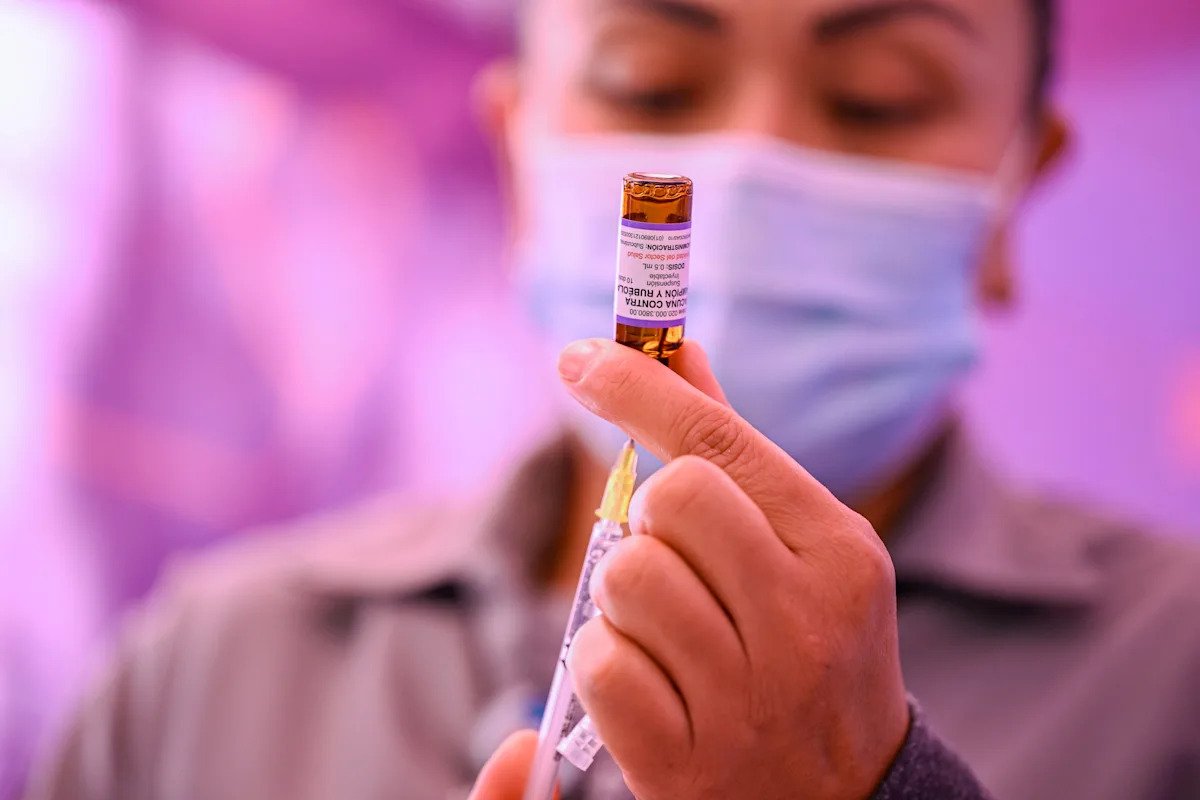
I’ve watched with growing dread as measles surged this winter in South Carolina and spread into North Carolina, reaching my county, where we now have the highest infection numbers in the state.
Fortunately, none of the cases so far have been fatal – unlike in 2025 when two children and an adult died in outbreaks that bloomed virulently across the United States in a way unseen for more than three decades.
Of the nearly 1,000 infected people in South Carolina, at least 93% were unvaccinated, and 90% of those with measles were minors. The extremely contagious disease can cause pneumonia, brain damage and, as we’ve seen, death.
That’s why, along with dread, I feel anger about people’s choice not to get a simple shot, the best way to stop the spread of the highly infectious disease and relegate it to medical textbooks alongside horrible plagues like polio that crippled children and confined them to iron lungs for life.
For 2025, more than 2,000 confirmed measles cases were reported in the United States, according to the Centers for Disease Control and Prevention. As of Feb. 19, 2026, nearly 1,000 confirmed measles cases already have been reported since the new year.
It’s easy for many of us to see the choice against inoculation as a litmus test for anti-science ignorance, made by those duped by conspiracists and political opportunists. Among these types are President Donald Trump‘s Health and Human Services Secretary Robert F. Kennedy Jr., who broke his promise to support current levels of child vaccine accessibility. Now, allies of Kennedy are working to revoke state-level rules requiring vaccination for school attendance.
But I have to take a step back from anger and remind myself, with humility, that I once shared some of the same views of those eschewing immunization. And I don’t think my reasons for being vaccine-hesitant were that far-fetched.
We’ve screamed at each other for years, and it doesn’t seem to be working (per the ongoing outbreaks). With that in mind, we might try focusing less on how people are wrong – and instead on what we all care about.
Your Turn: RFK Jr.’s vaccine obsession will harm countless kids | Opinion Forum
I didn’t grow up questioning vaccines. Then I learned about Andrew Wakefield.
I didn’t grow up questioning vaccines. My parents sure didn’t. My father’s World War I veteran uncle exposed him to tuberculosis. My dad tests positive to this day for the lung-wrecking disease, but thankfully never had symptoms.
My parents also experienced polio outbreaks. Public facilities, like pools, shut down and families isolated themselves for fear of the virus’ fatal and crippling effects. Researchers, like Dr. Jonas Salk, developed vaccines that gave my parents back their childhoods.

Dr. Jonas Salk believed a killed-virus vaccine was the best approach to combat polio, which can lead to paralysis. On April 12, 1955, his team’s study results of a vaccine trial was announced to be safe and 80-90% effective. Hailed as a miracle worker, Salk never patented the vaccine or earned any money from his discovery, preferring it be distributed as widely as possible.
As part of a military family, I got lots of shots, all recorded in a little yellow World Health Organization immunization booklet that I still have somewhere in a box.
But as an adult in the late 1990s, before smartphones and instant internet access, I started to hear people questioning whether vaccines were doing harm. I learned British doctor Andrew Wakefield had published a paper in the Lancet, one of the world’s most respected medical journals, concluding that the combined measles, mumps and rubella vaccination was linked to autism.
I had recently moved to Asheville, North Carolina, a liberal-blue spot in an otherwise conservative-red region where pushing back on government and institutional norms was often seen as a virtue. The area had notably high vaccine exemption rates for school children. The story was similar in other liberal areas such as Marin County, California, or Boulder, Colorado.
I knew people who didn’t vaccinate their kids. And I knew some who believed a loved one had been harmed by vaccines. In reality, all this didn’t matter much to my vaccinated self, until our first child was born. The doctor, sensing reluctance, suggested we could spread out our son’s vaccines instead of giving them to him all at once. It felt like a reasonable compromise.
Opinion: HHS has new vaccine rules. They’re doomed to fail.
Measles outbreaks raised questions – and proved we’re allowed to change our minds
But I started reading about measles outbreaks happening in corners of the country with lower vaccination rates. I was forced to think harder about why vaccination felt like a choice to me when it didn’t to my parents: Namely, immunizations had beaten back epidemics that once were common and now are rare or nonexistent.
Revisiting Wakefield’s autism claims, I learned he had lied about his research and was stripped of the ability to practice medicine in 2010 by the United Kingdom’s General Medical Council. The Lancet formally retracted his paper.
By the time our second child was born, we told the doctor to give him all his shots without delay. When our sons got old enough, I told them about Salk, and that he was a hero and a saint for developing the polio vaccine and for trying to keep it accessible by not seeking a patent.
In recent years, an odd political shift has happened around anti-vaccination advocacy, with far-right conservatives claiming more and more of the space. Trump, whose first administration accomplished darn near a scientific miracle with the lightning-fast development of a COVID-19 vaccine, got booed at a 2021 rally for promoting it, something he doesn’t do anymore.
Opinion alerts: Get columns from your favorite columnists + expert analysis on top issues, delivered straight to your device through the USA TODAY app. Don’t have the app? Download it for free from your app store.
That political divide, along with a bottomless well of unfiltered information and strong feelings for our children, can make it hard to have reasonable conversations about vaccines. And it’s easy to be angry with someone who makes decisions you deem dangerous to public health.
But because of the nature of the problem – fast-spreading microbes that don’t care about politics – we must have that conversation.
This would be easier to do if we come at it with some humility and a recognition that we all need some room to sift through good and bad information. And maybe change our minds.
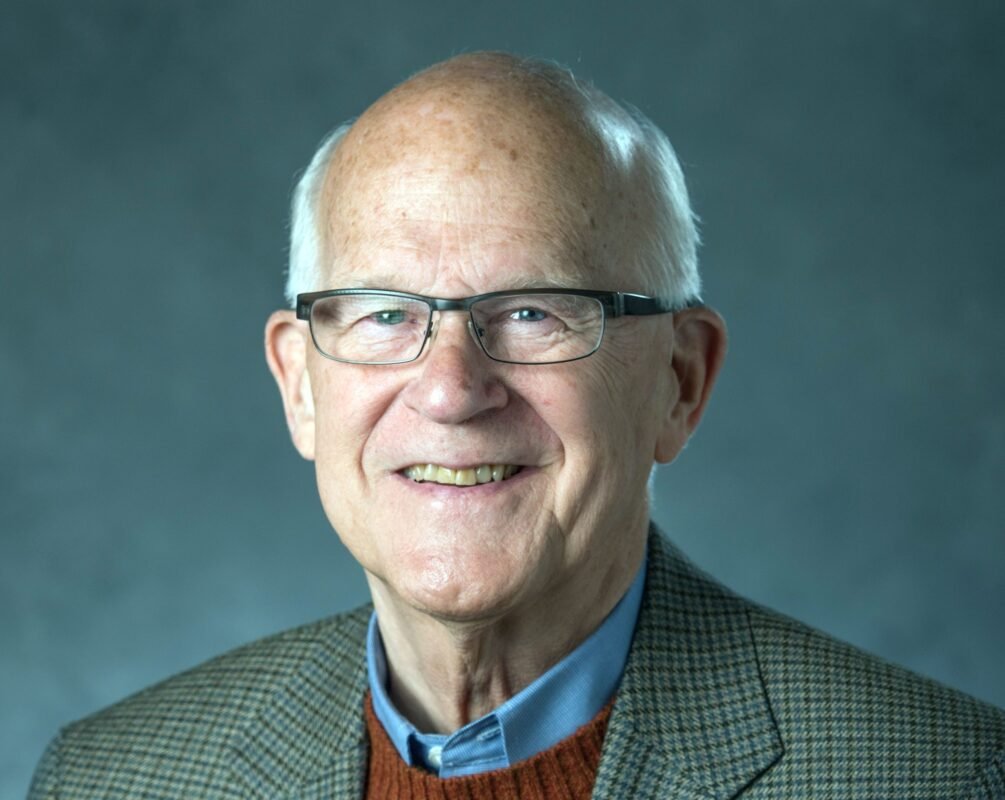
Joel Burgess is a Voices editor for USA TODAY Opinion.
You can read diverse opinions from our USA TODAY columnists and other writers on the Opinion front page, on X, formerly Twitter, @usatodayopinion and in our Opinion newsletter.
This article originally appeared on USA TODAY: I had vaccine hesitancy. Here’s what changed my mind | Opinion