

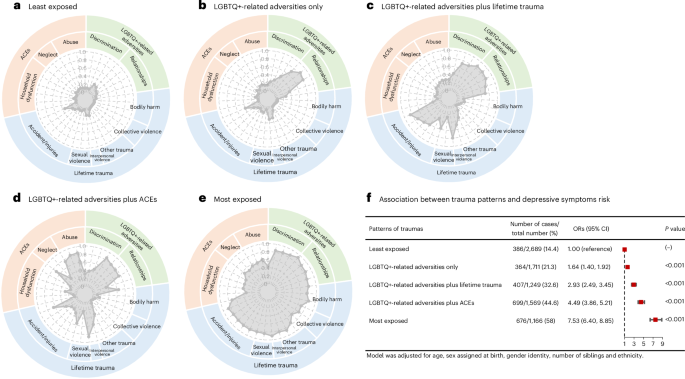

Association of traumatic experiences with depressive symptoms among LGBTQ+ population in China
Song, H. et al. Stress related disorders and risk of cardiovascular disease: population based, sibling controlled cohort stu...

Common constipation drug may help clear depression brain fog
People struggling with depression often continue to experience memory problems, poor concentration, and mental "brain fog" even after t...
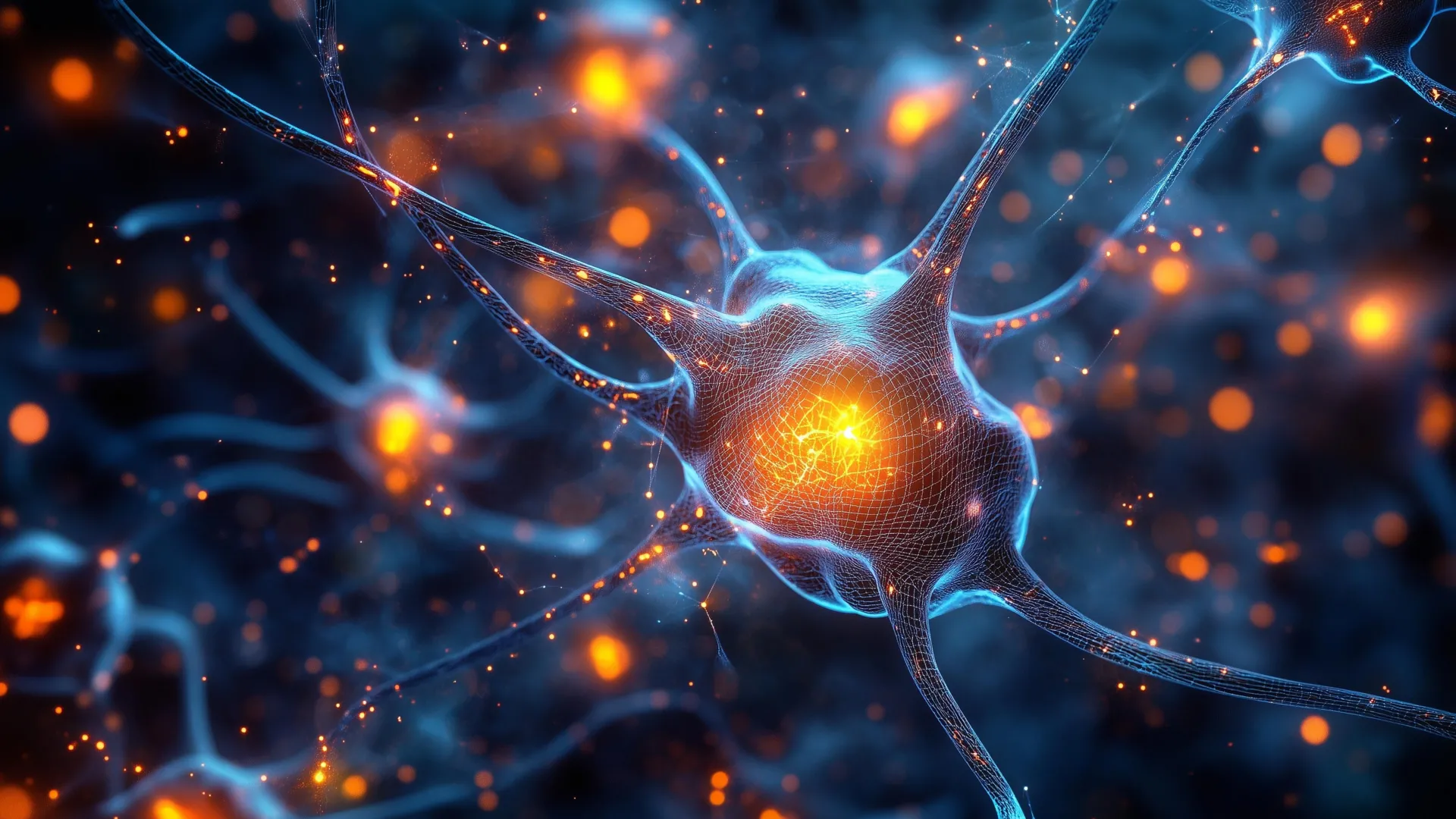
The hidden skeleton “gatekeeper” inside brain cells could help fight Alzheimer’s
Brain cells continually pull material from the fluid around them, including nutrients, signaling molecules, and fragments of their own ...

Going to museums, movies, and theater may help your body stay younger
People who regularly visit museums, theaters, concerts, and movie theaters may be doing more than enjoying themselves. A new study sugg...

AI detection risks undermining academic integrity
In 2024, hundreds of students at the Australian Catholic University were

Where you live could shape your dementia risk, massive study finds
A new USC led study of more than 214,000 older adults from 14 countries and regions suggests that preventing dementia may require diffe...

The unspoken tensions that AI brings to academic collaboration
Imagine you receive a draft section of a paper from a collaborator. Something feels slightly off. The voice is more generic than t...
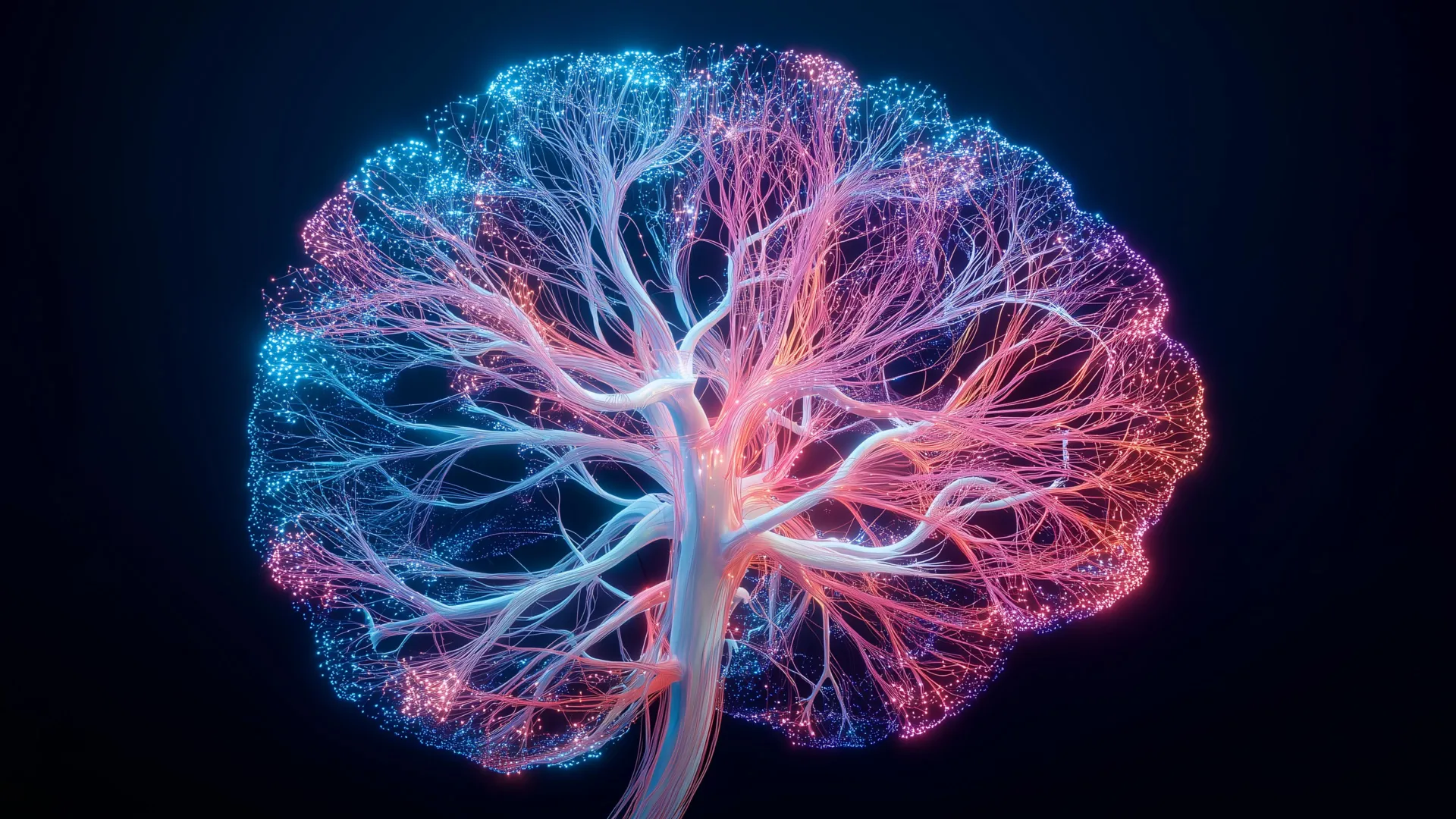
Scientists discovered the brain doesn’t make decisions the way we thought
Scientists at the University of Illinois Urbana Champaign have uncovered evidence that could reshape how researchers think about both t...

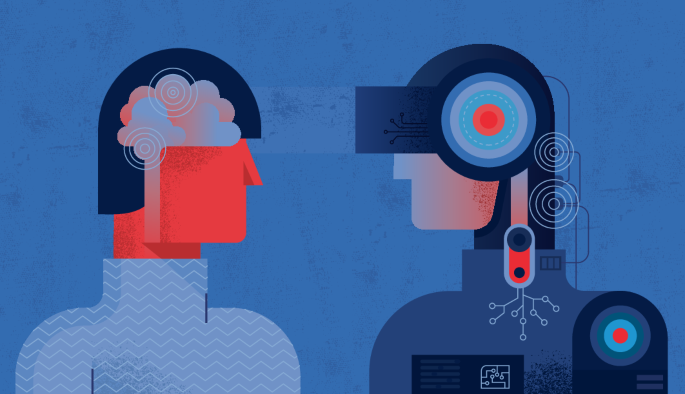
Why using AI as a learning coach can improve education
OECD. OECD Digital Education Outlook 2026: Exploring Effective Uses of Generative AI in Education (OECD Publishing, 2026).Br...