

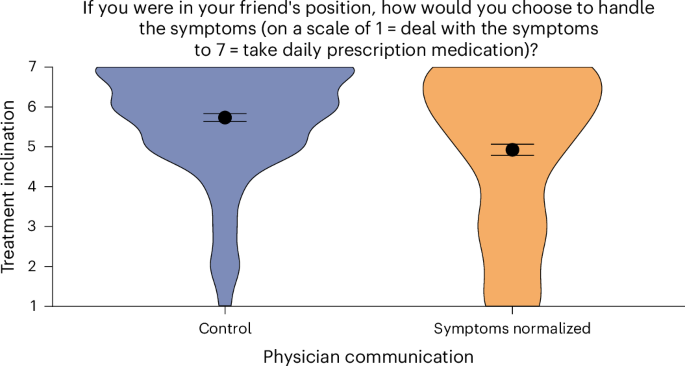

Reassurance through normalization inadvertently suppresses treatment
Kessel, N. Reassurance. Lancet 313, 1128–1133 (1979).
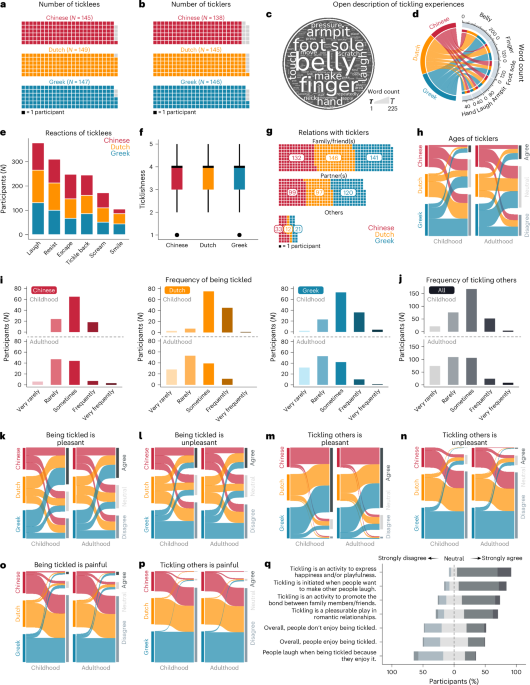
Human ticklishness is a widespread, culturally shared and bodily organized sensory experience
ParticipantsA total of 450 participants, aged 18–30, were recruited online via the Prolific platform or the Radb...
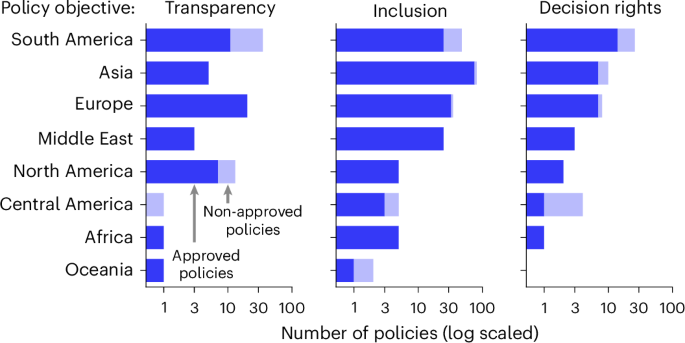
Open practices across science, software, education and other domains
Splitter, V. et al. Openness as organizing principle: introduction to the special issue. Organ. Stud. 44, 7–27 (2023).
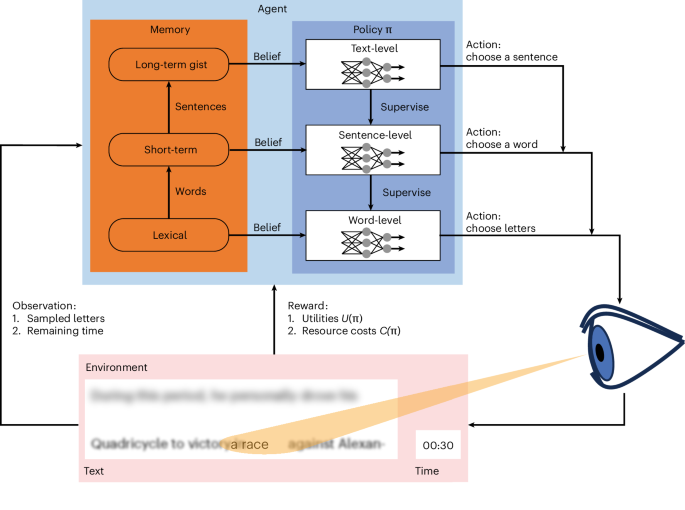
Hierarchical resource rationality explains human reading behaviour
We compare our model’s simulation results against a set of established empirical effects at the word6,24,27,28, ...
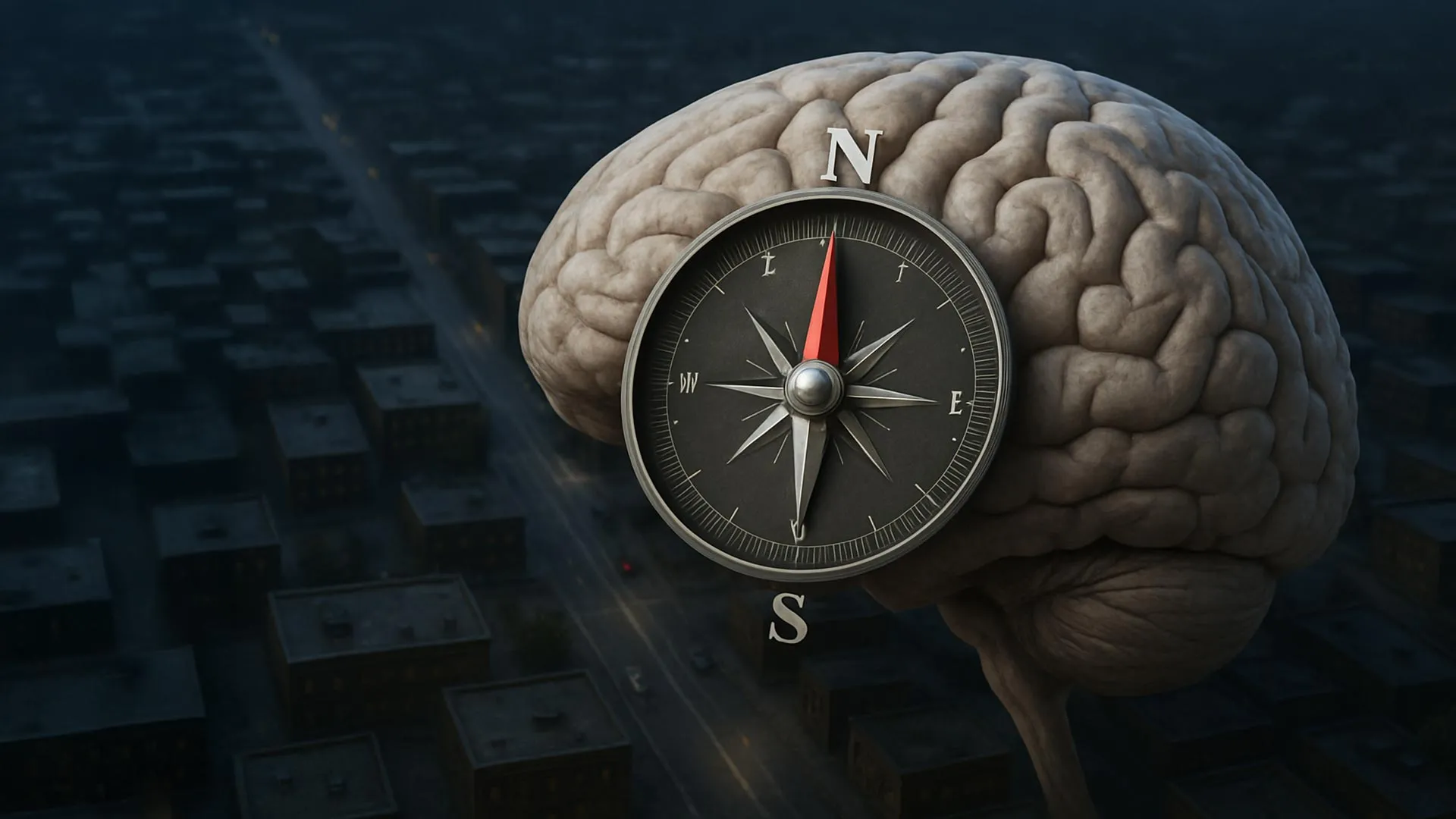
Stress can scramble your brain’s internal GPS, MRI study finds
The stress hormone cortisol can interfere with the brain system that helps people navigate and stay oriented. Researchers from Ruhr Uni...

Scientists say just 7 days of meditation can rewire your brain
A week of intensive meditation and other mind and body practices may be capable of producing measurable changes far beyond simple relax...

Frequent cannabis users wake up with their “stress hormone” already elevated
People who frequently use cannabis may begin the day with higher levels of cortisol than those who do not use it, according to research...

Teen cannabis use linked to slower memory and thinking growth
Researchers at the University of California San Diego have found that teenagers who start using cannabis may develop memory and thinkin...
Scientists discover a hidden brain shift that begins around age 50
A study funded by the National Institutes of Health (NIH) has uncovered a major shift in the immune environment of the hippocampus, the...

New autism therapy shows surprising benefits even in adult mice
Researchers have uncovered a potential new way to treat autism spectrum disorder (ASD) by restoring the function of an important brain ...