

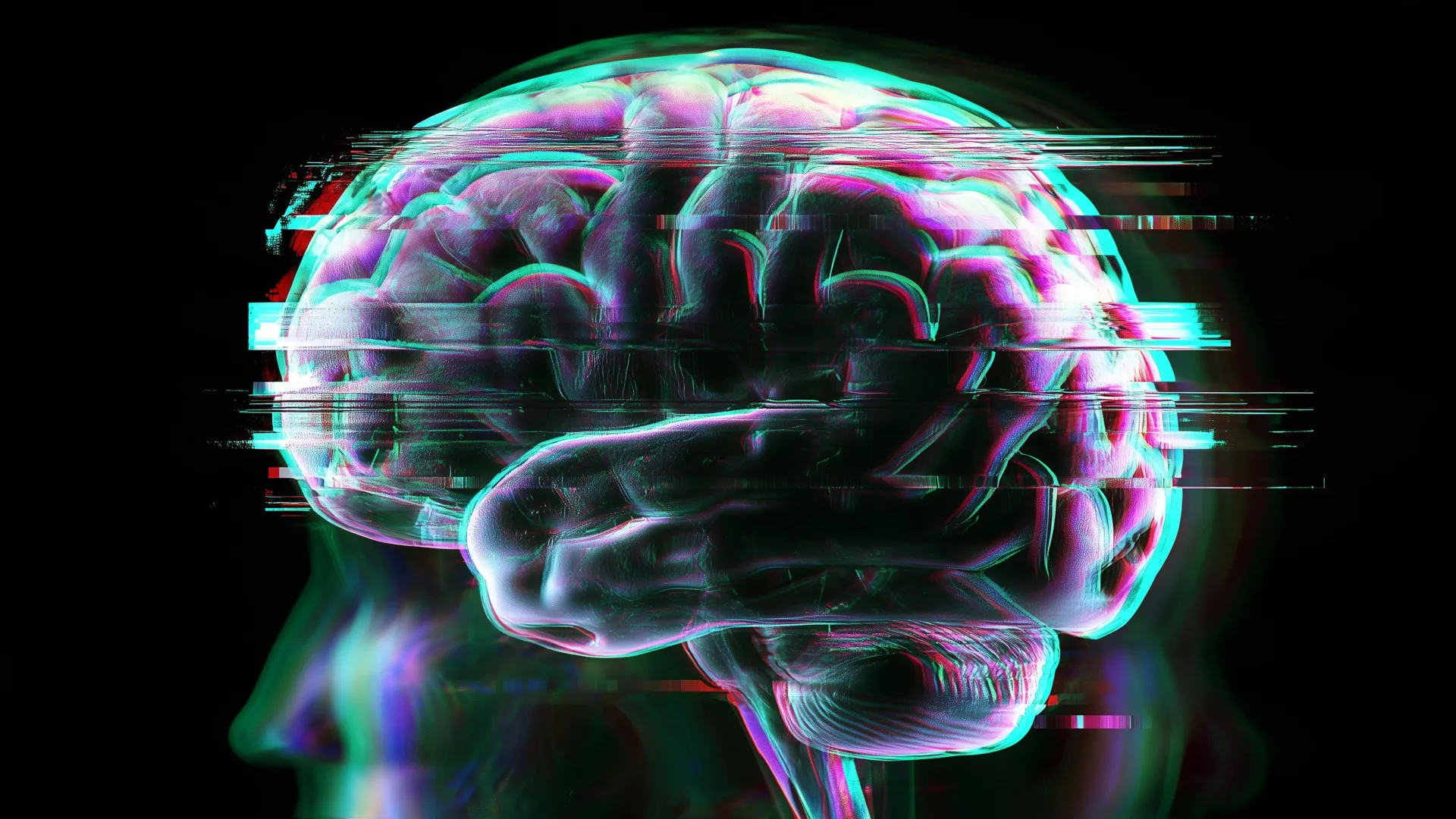

Brain scans reveal a possible cause of long COVID fatigue and brain fog
A new brain imaging study led by scientists at the Centre for Addiction and Mental Health (CAMH) has uncovered what researchers describ...
What chimpanzees at war have taught me about being human
Wood, B. M., Watts, D. P., Mitani, J. C. & Langergraber, K. E. J. Hum. Evol. 105, 41–56 (2017).
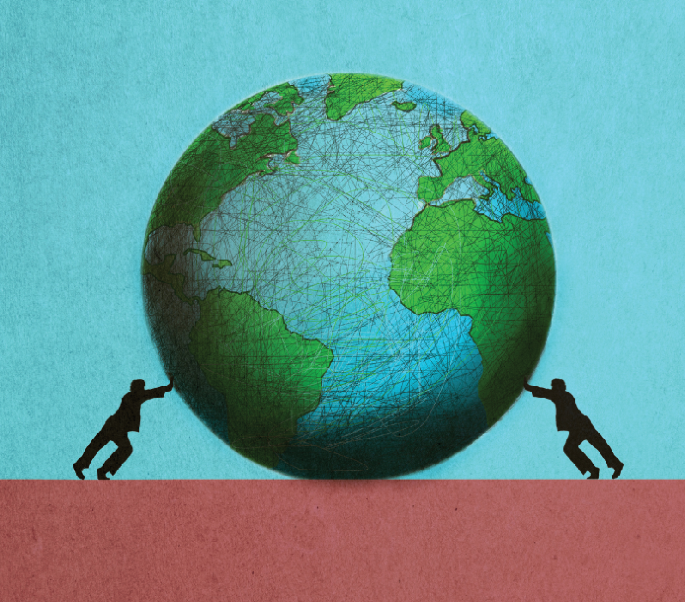
Understanding the structural and psychological bases of inequality
Inequalities in education, health, technology and social status are often studied in isolation. This Focus issue shows how these i...
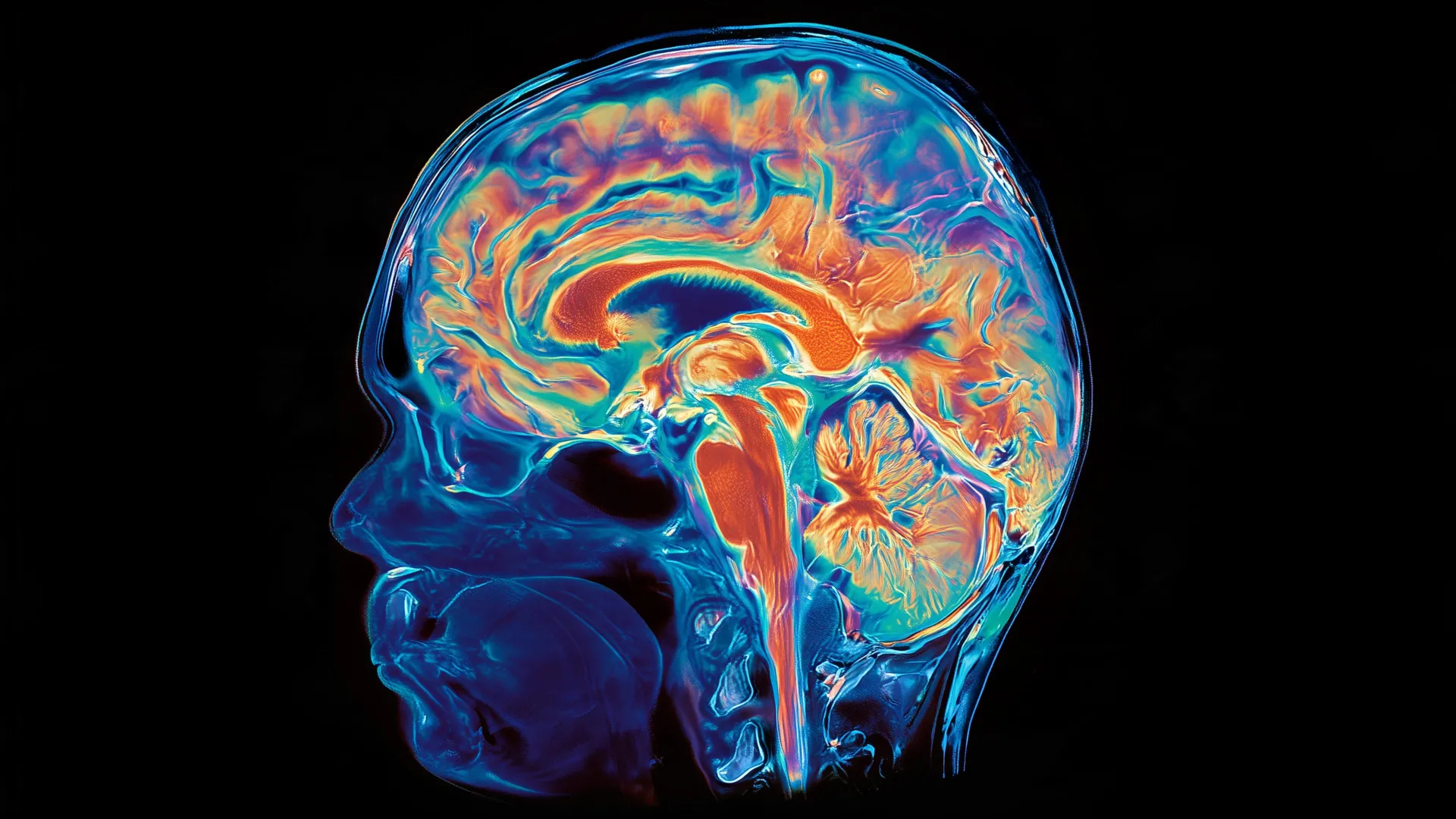
Stanford scientists discover the human brain may actually be two separate organs
Scientists have long treated the brain as a single organ with a shared developmental origin. New research led by Stanford Medicine chal...
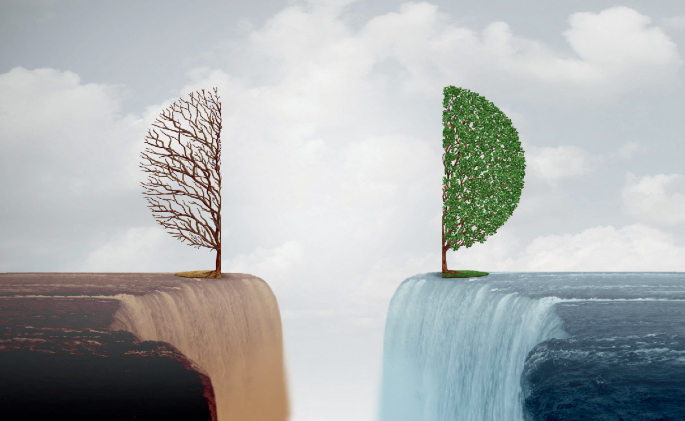
Rising health inequities require looking beyond health systems
Interdisciplinary Center for Scientific Computing, Heidelberg University, Heidelberg, GermanyNihan Toprakkiran, Marina Tresk...
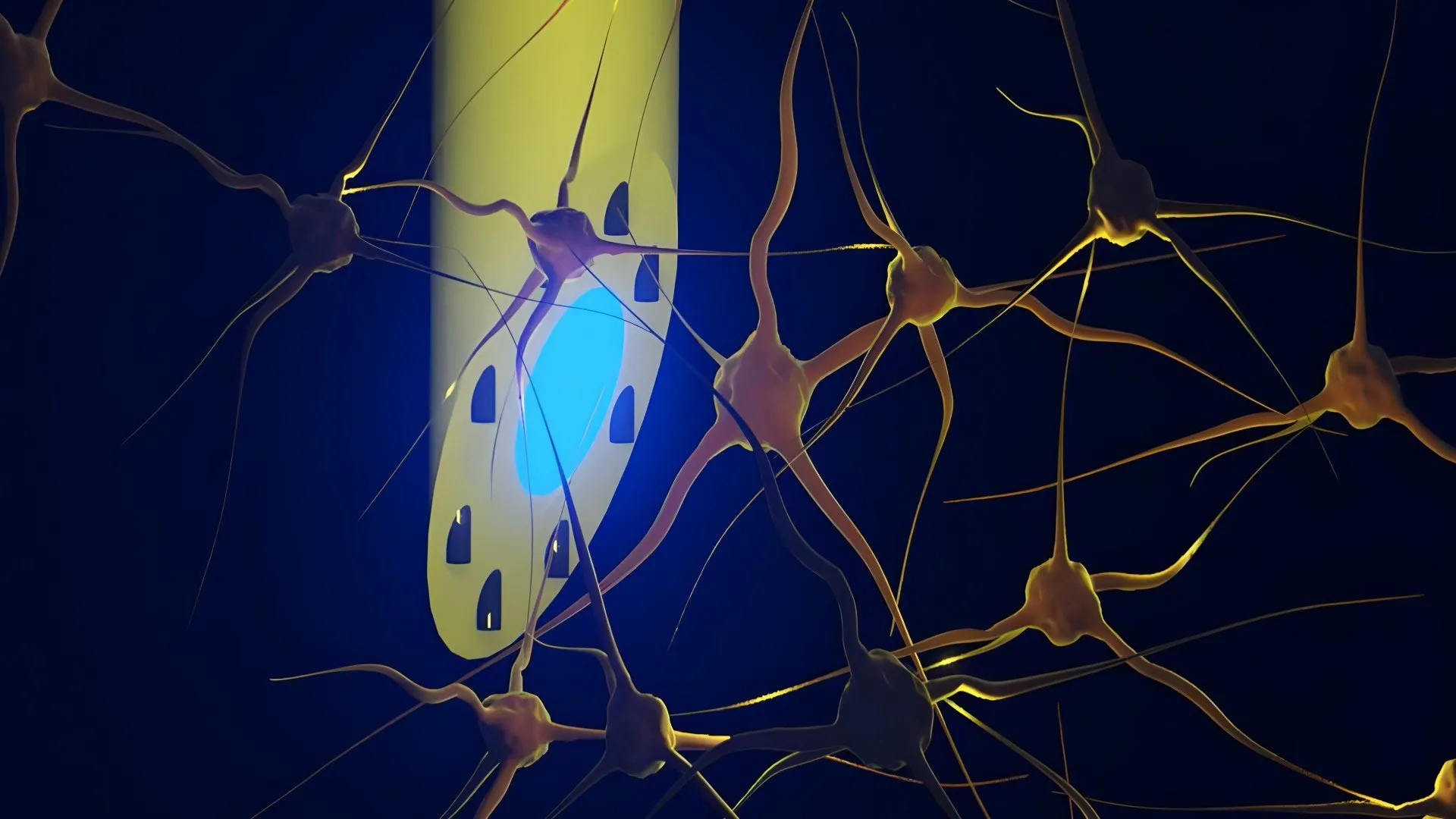
Scientists create a needle-thin brain implant that can do three jobs at once
A new type of brain implant could give scientists a more precise way to study the brain and may eventually contribute to treatments for...
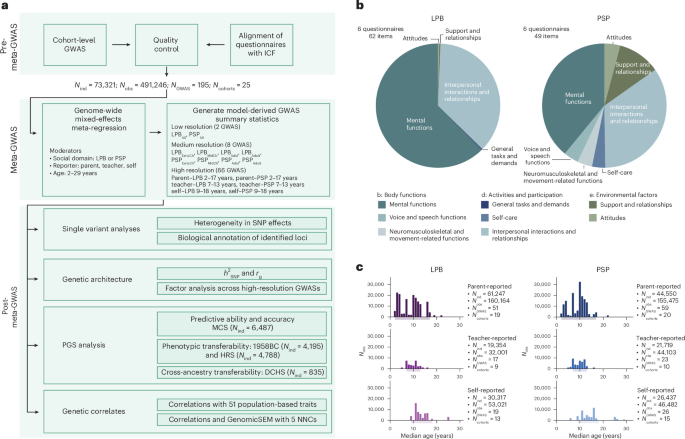
Genome-wide analysis of social behaviour across social domains, reporters and developmental stages: a meta-regression approach
Modelling heterogeneity through genome-wide meta-regression analysisWe conducted a GWA study (GWAS) meta-analysi...
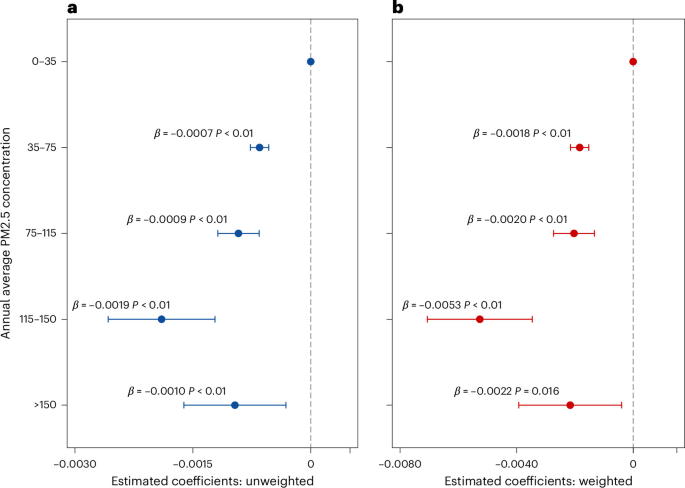
Impacts of PM2.5 air pollution on high-skilled worker productivity in China
Zivin, J. G. & Neidell, M. The impact of pollution on worker productivity. Am. Econ. Rev. 102, 3652–3673 (2012).
Scientists find that “perfect” systems may be surprisingly fragile
Perfection may not always be the best recipe for stability, especially in complex systems such as electrical grids, ecosystems, and adv...
Scientists restore a brain protein and reverse signs of aging in mice
Memory problems, thinning skin, and declining bone mass may seem like separate consequences of growing older. Yet experiments in mice s...